
What Does a Notaire Do When You Buy a Property in France?

If you are buying a property in France for the first time, one of the people you will hear about very early in the process is the notaire.
For international buyers, the role can initially be confusing because there may not be an exact equivalent in the country they are moving from. A French notaire is not simply a solicitor handling conveyancing, nor are they working in the same way as the estate agent.
The notaire is a highly qualified legal professional and public officer whose involvement provides legal certainty to the property transaction. They carry out the necessary checks, prepare and authenticate legal documents, deal with funds and taxes connected with the purchase and ensure that the final transfer of ownership is properly recorded.
Once you understand their role, the French buying process tends to make considerably more sense.
What Is a Notaire in France?
A notaire is a public officer appointed under the authority of the French state.
They work in a number of areas of French law, including property transactions, inheritance, family matters and estate planning. In a property purchase, their job is to ensure that the transaction is legally valid and that the authentic deed recording the transfer of ownership is properly prepared and completed.
Importantly, the notaire is required to act impartially in relation to the transaction. Their role is to ensure that the legal process is correct and that the parties understand the legal implications of the documents they are signing.
For someone buying in France from overseas, this can feel different from systems where buyer and seller automatically appoint separate lawyers to negotiate against one another.
Do I Need a Notaire to Buy a House in France?
For the final transfer of ownership of French property, the involvement of a notaire is essential.
The notaire prepares the acte authentique de vente, the authentic deed of sale, and carries out the formalities required to record the new ownership.
Before reaching that stage, there is usually a preliminary contract, often a compromis de vente or promesse de vente depending on the circumstances. This records the agreed terms of the proposed transaction and may include conditions that must be satisfied before the sale can proceed.
The exact process and documentation can vary according to the property and the circumstances of the buyer and seller, which is why the notaire's involvement is so important.
Who Chooses the Notaire When Buying Property in France?
The choice of notaire is free.
A single notaire can deal with the transaction for both buyer and seller, or the buyer and seller can each appoint their own notaire.
International buyers sometimes assume that using two notaires must mean paying twice. It does not. Where two notaires are involved in the same property transaction, the regulated remuneration relating to the transaction is shared between them rather than simply being charged twice.
This can be reassuring for an overseas buyer who already knows or has been recommended a particular notaire, while the seller may wish to continue using their own longstanding notarial office.
What Does the Notaire Check?

A considerable amount of work takes place between agreeing to buy a property and collecting the keys.
The notaire and their team gather documents and undertake the legal and administrative checks needed for the transaction. Depending on the property, this can include examining ownership information, mortgages or other registered rights, planning and cadastral information, relevant property documentation and other matters affecting the sale.
The exact checks depend on the nature and location of the property. A village house, apartment in a copropriété, rural property with land and complex historic estate will not necessarily involve precisely the same issues.
This period can sometimes feel quiet from the buyer's perspective because much of the work is happening behind the scenes. In reality, it is an important part of making sure that the property can be transferred correctly.
What Is the Compromis de Vente?
The compromis de vente is a commonly used preliminary sale agreement in France, although other forms of preliminary contract are also used.
It sets out the essential terms of the proposed purchase, including the property, agreed price and relevant conditions. These may include a condition relating to mortgage finance where the purchase is being funded by borrowing.
This is not a document to treat as a casual reservation form. It is an important legal stage of the purchase, and buyers should make sure they understand its contents and any conditions or deadlines before signing.
The preliminary contract may be prepared by a notaire or, in appropriate circumstances, by another property professional. The precise arrangements depend on the transaction.
What Is the 10-Day Cooling-Off Period in France?
An individual non-professional buyer purchasing residential property in France generally benefits from a statutory 10-day withdrawal period following notification of the preliminary contract.
The rules governing when that period begins are specific, so buyers should rely on the information given to them for their particular transaction rather than calculating dates themselves.
During the applicable withdrawal period, the buyer can withdraw without having to give a reason and without the penalty that would otherwise arise from abandoning a binding transaction. French official guidance confirms the 10-day period and explains how notification determines its starting point.
This protection is one of the features of the French property buying process that can be particularly reassuring to buyers unfamiliar with the system.
What Are Conditions Suspensives?
A condition suspensive is a condition written into the preliminary contract which must be fulfilled for the transaction to proceed as intended.
One of the most familiar examples concerns mortgage finance. Where a purchase is to be financed by a qualifying property loan, French consumer law provides protection through a financing condition. If the required loan is refused in circumstances covered by that condition, the sale does not proceed on the same basis and sums already paid are dealt with according to the applicable rules.
Other conditions may be relevant depending on the property and proposed purchase.
This is another reason why buyers should discuss their plans clearly before the preliminary contract is finalised. If finance, works, planning or another issue is essential to your decision to buy, it is much better for the relevant professionals to understand that at the beginning.
What Happens to the Deposit?
A preliminary contract may provide for the buyer to pay a deposit, sometimes referred to as a dépôt de garantie or indemnité d'immobilisation depending on the type of contract.
The amount and timing depend on the agreement and circumstances of the sale. Where money is held by an authorised professional in connection with the transaction, it is handled within the protections applying to those client funds.
Buyers should follow the payment instructions provided by the notaire or authorised professional and should always take particular care when transferring substantial sums of money.
What Are 'Notaire's Fees'?
This is probably one of the most misunderstood parts of buying a French property.
Buyers often hear the phrase frais de notaire and understandably assume that the entire amount is the notaire's professional fee. It is not.
The wider acquisition costs include taxes and duties collected for the state and local authorities, expenses and disbursements associated with the necessary formalities, and the notaire's regulated remuneration. A substantial part of the amount paid therefore passes on to public authorities rather than remaining with the notarial office.
The amount varies according to the nature and price of the property and the circumstances of the transaction, so buyers should ask for an individual estimate rather than relying solely on a percentage seen online.
Can a Notaire Help an International Buyer?
Yes, although it is important to establish how communication will work from the beginning.
Some notaires and members of their teams speak excellent English or other languages, while others work primarily in French. If you are not sufficiently confident reading legal French, discuss this early with your estate agent and notaire so that appropriate arrangements can be made and you fully understand the documents you are signing.
Do not be embarrassed about asking questions. Buying a property is a major legal and financial commitment in any country, and unfamiliar terminology can make an otherwise straightforward point seem complicated.
A good property professional should also help keep communication flowing between buyer, seller and the notarial office as the transaction progresses.
What Happens Before the Final Signing?
Once the preliminary contract has been signed and any applicable withdrawal period has passed, the notaire continues the legal and administrative work required for completion.
Any conditions suspensives must be dealt with, finance arrangements progress where relevant and the notaire prepares the documentation required for the final sale.
Before completion, the buyer will be told how much money must be transferred. French official guidance confirms that the purchase funds required for the transaction are transferred to the notaire before the authentic deed is signed, with the notaire also dealing with loan funds where applicable.
Because property fraud and payment diversion can occur internationally, buyers should always verify bank details through a trusted method before sending large sums and should be particularly cautious about unexpected emails announcing changed payment instructions.
What Happens on Completion Day in France?
The final stage is the signing of the acte authentique de vente.
The notaire takes the parties through the transaction and the authentic deed is signed. Once completion has taken place, the buyer becomes the new owner and, in the usual situation, receives the keys.
For many international buyers, this is the moment when months of searching, paperwork and planning suddenly become wonderfully real.
Afterwards, the notaire completes the remaining registration formalities associated with the change of ownership.
Is the French Notaire System Complicated?
It can look complicated from the outside because the terminology and process are unfamiliar, but there is a reassuring logic behind it.
The French system places a legally regulated public officer at the centre of the transfer of property. The notaire carries out checks, authenticates the final deed, collects relevant taxes and ensures the legal transfer is properly recorded.
There can still be questions, delays and property-specific issues along the way, of course. No two purchases are completely identical. But understanding who does what removes much of the mystery.
Buying Property in France With Occitanie Properties

At Occitanie Properties, we know that finding the house is only one part of buying in France.
For international buyers in particular, there may be unfamiliar terminology, documents and procedures to navigate alongside all the exciting decisions about villages, views, gardens and where to put the dining table.
Our role is not to replace the legal advice of your notaire. It is to help guide you through the property journey, keep communication moving and work alongside the professionals involved in your purchase.
Ask questions, take your time to understand the documents and use the expertise around you. The French system may not look exactly like the one you already know, but different does not mean difficult.
And once the paperwork is complete and the keys are finally in your hand, the notaire's office becomes part of a much happier memory: the day that the property you fell in love with officially became your home in France.
Looking for a home in the South of France?
At Occitanie Propriétés, we don't just write about life here - we help you make it your own. Explore our selection of houses and character properties for sale across Occitanie, from traditional village homes to countryside estates. These are just a few of the beautiful homes currently available...

Mill for sale
€399,000
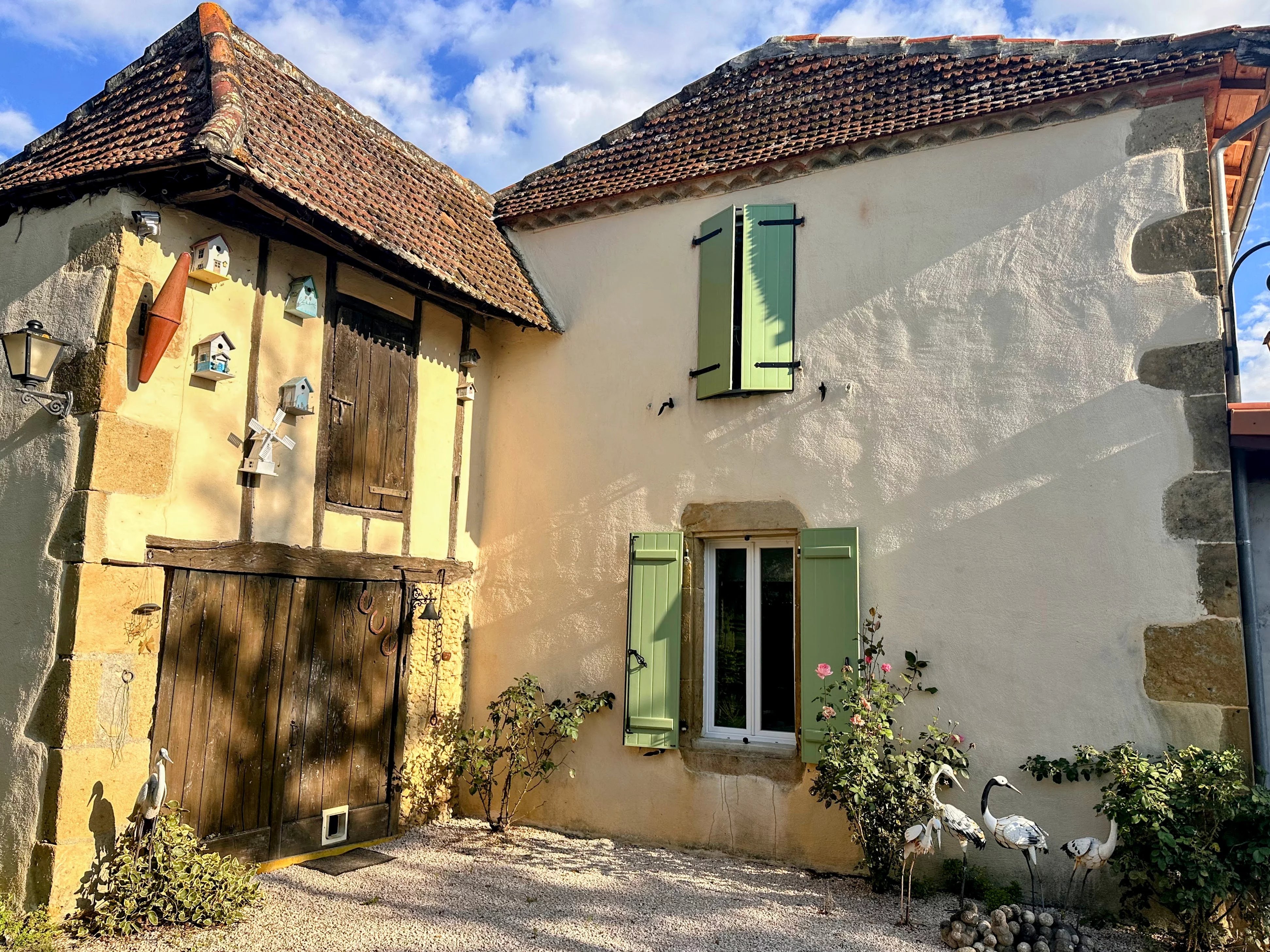
Farmhouse for sale
€380,000
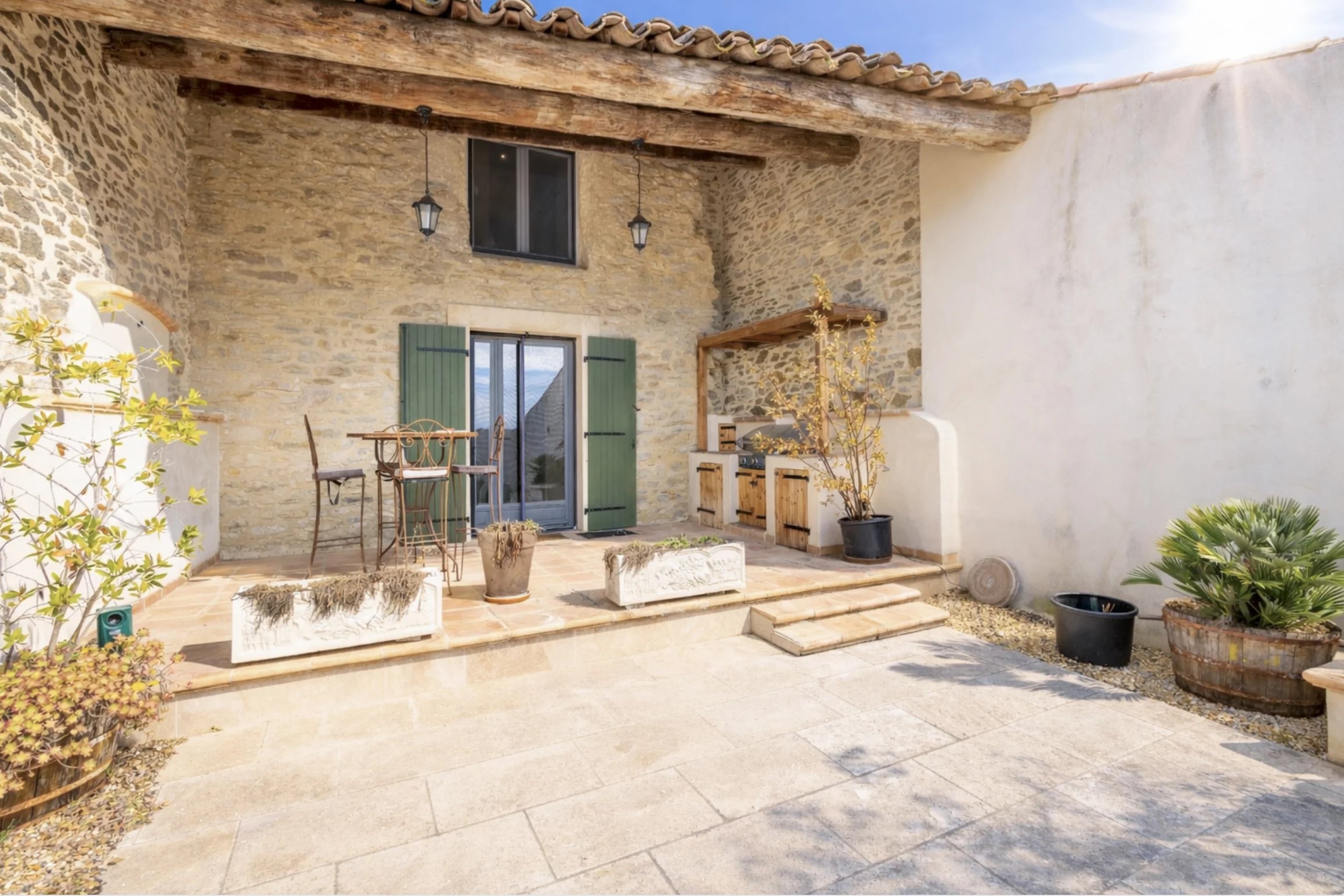
Village house for sale
€175,000
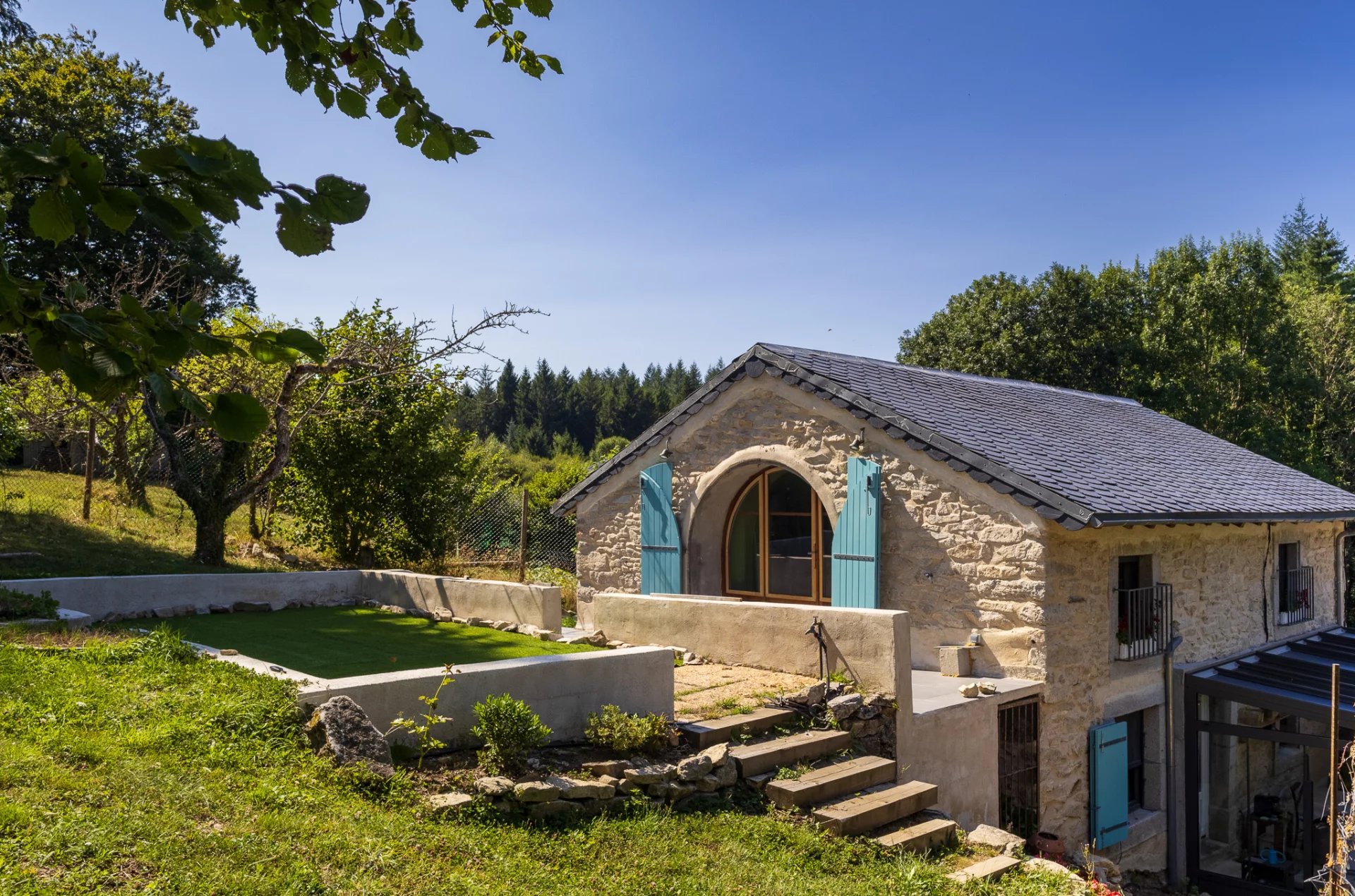
House for sale
€235,000

Village house for sale
€449,000

House for sale
€385,000
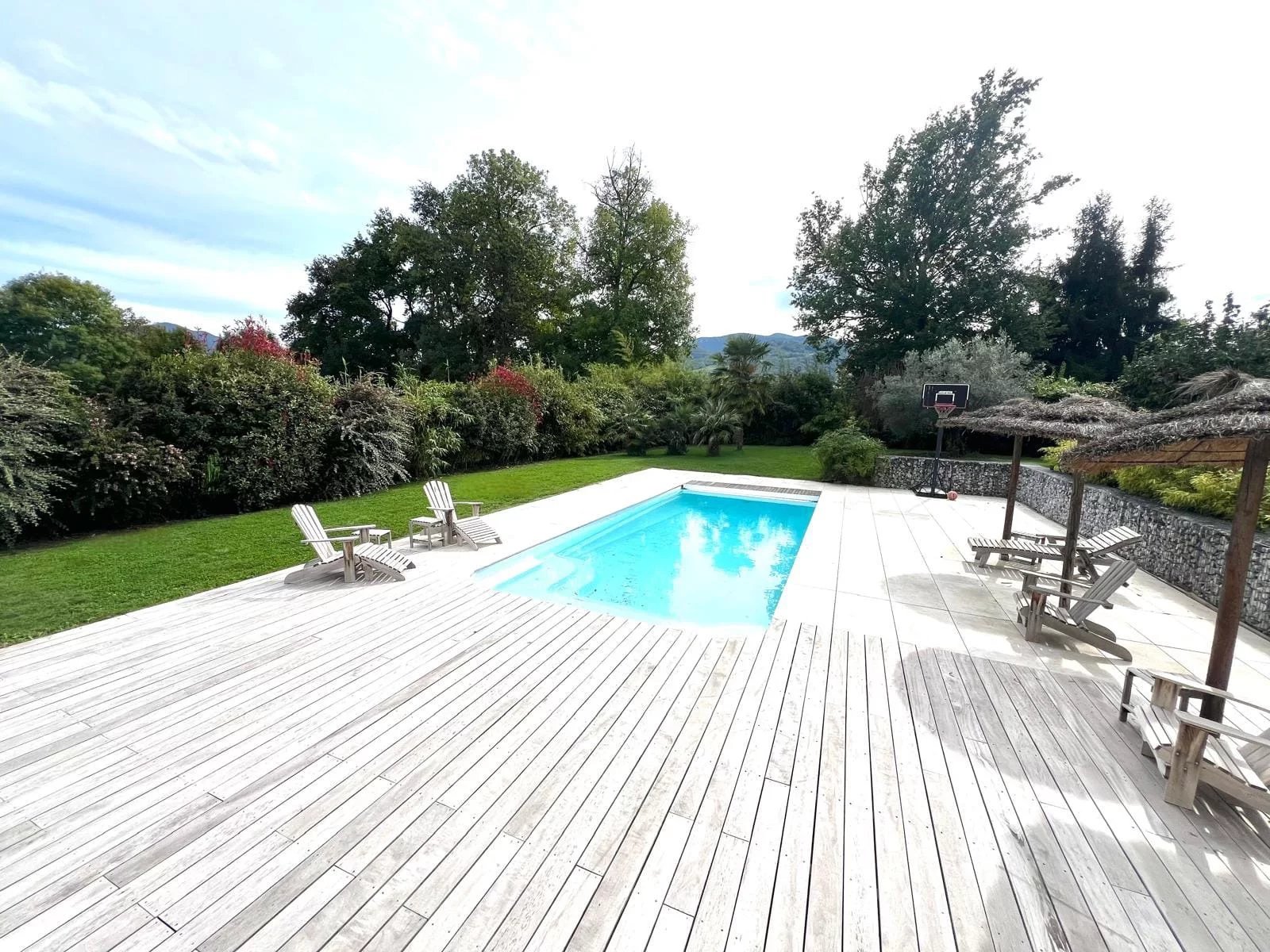
Villa for sale
€598,500
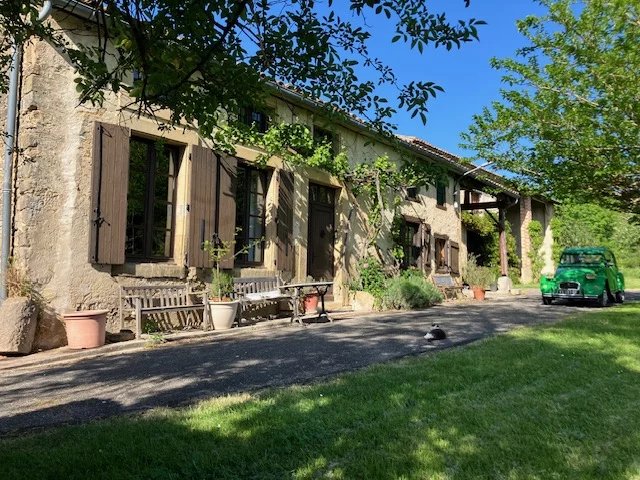
House for sale
€449,500
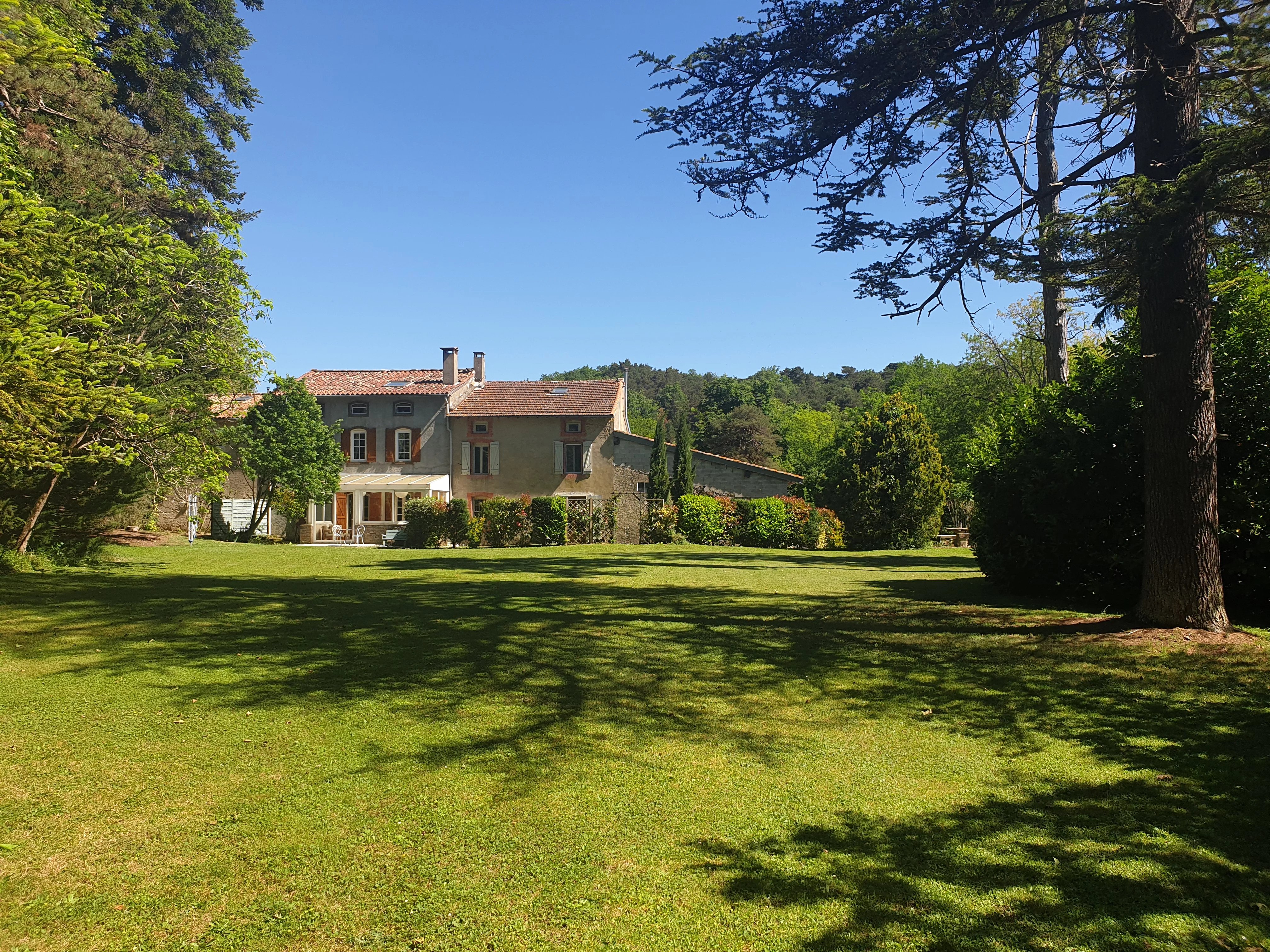
House for sale
€925,000
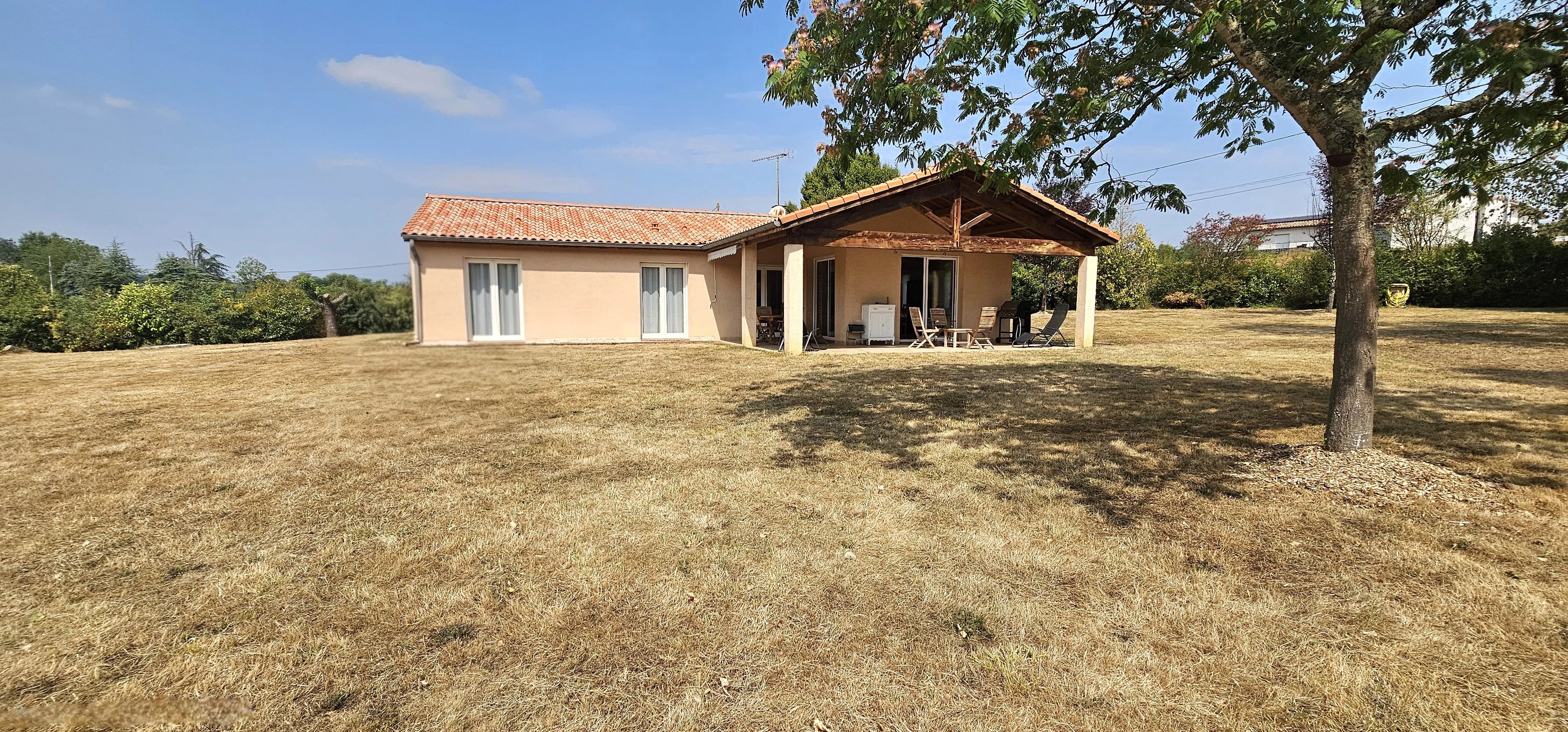
House for sale
€255,000

House for sale
€397,500

House for sale
€850,000
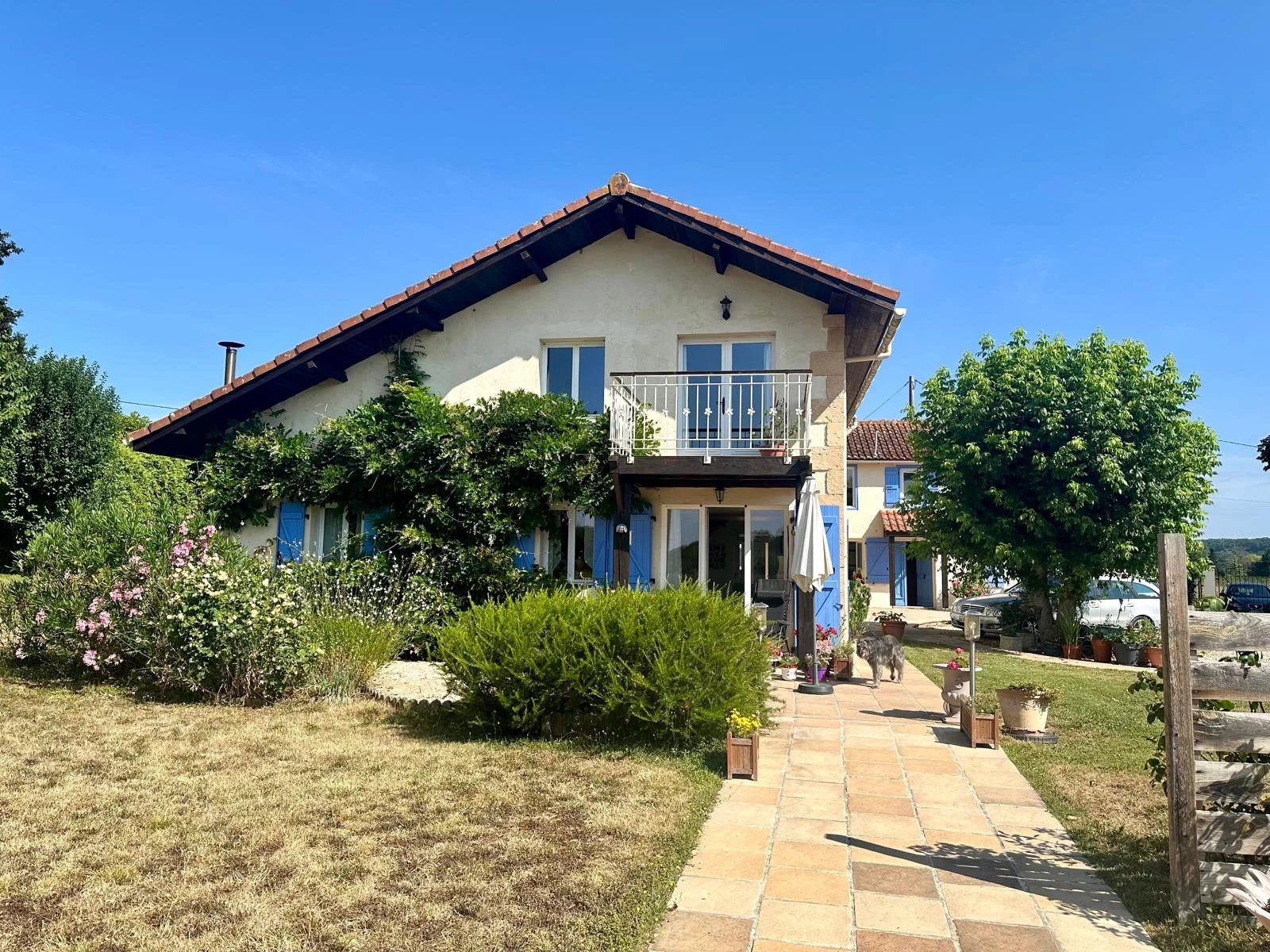
House for sale
€457,000
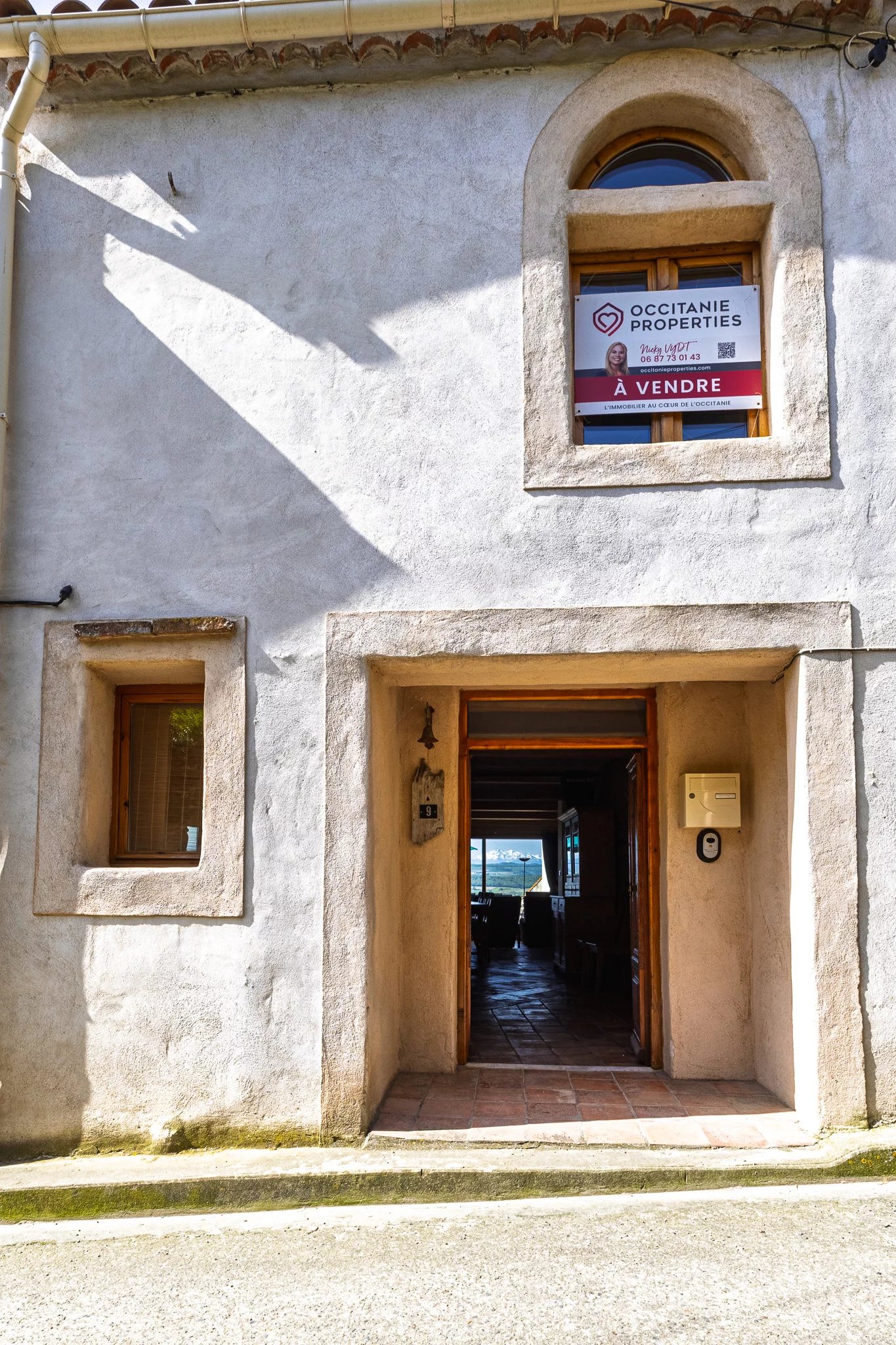
Village house for sale
€215,000
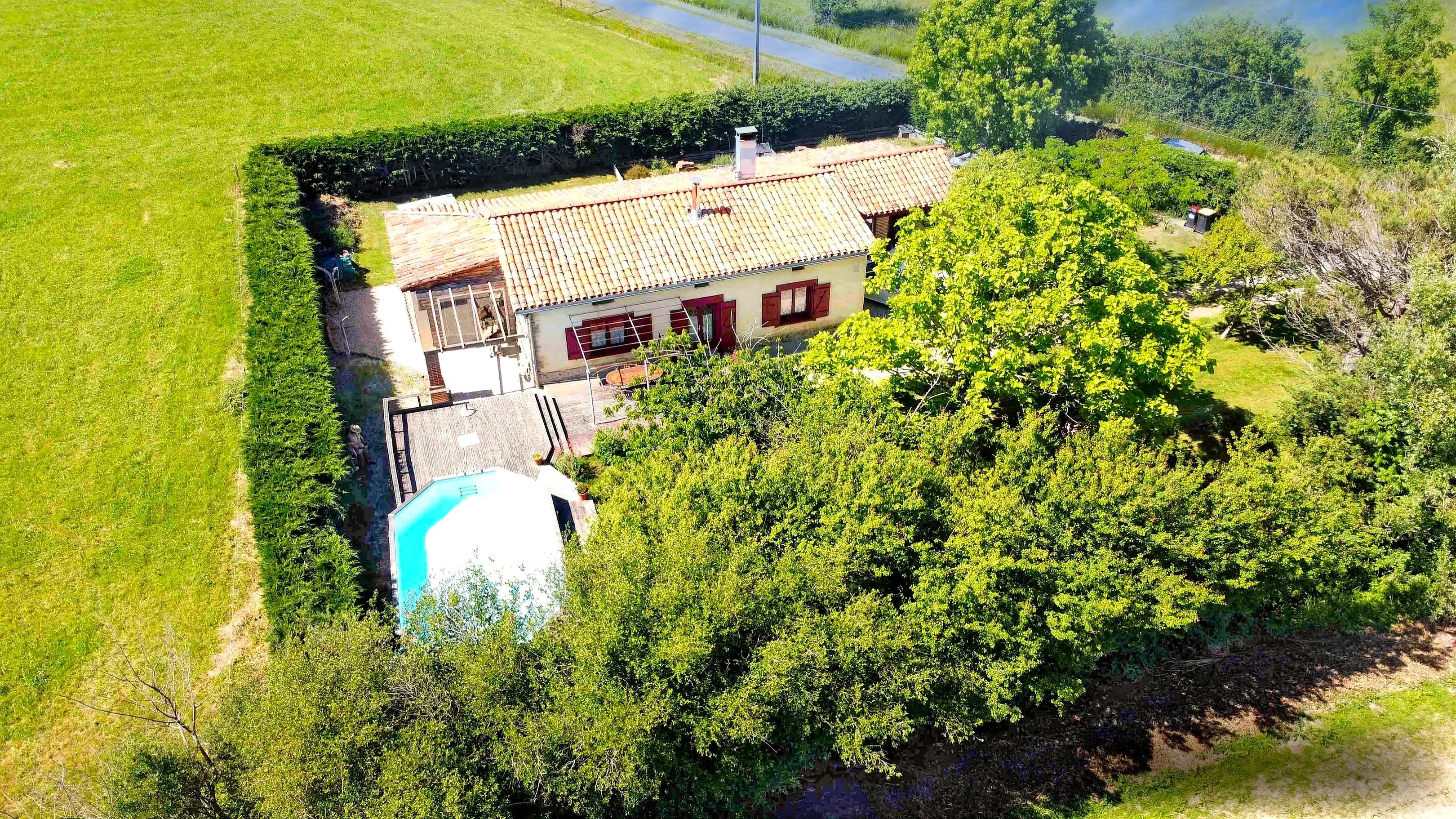
House for sale
€249,000
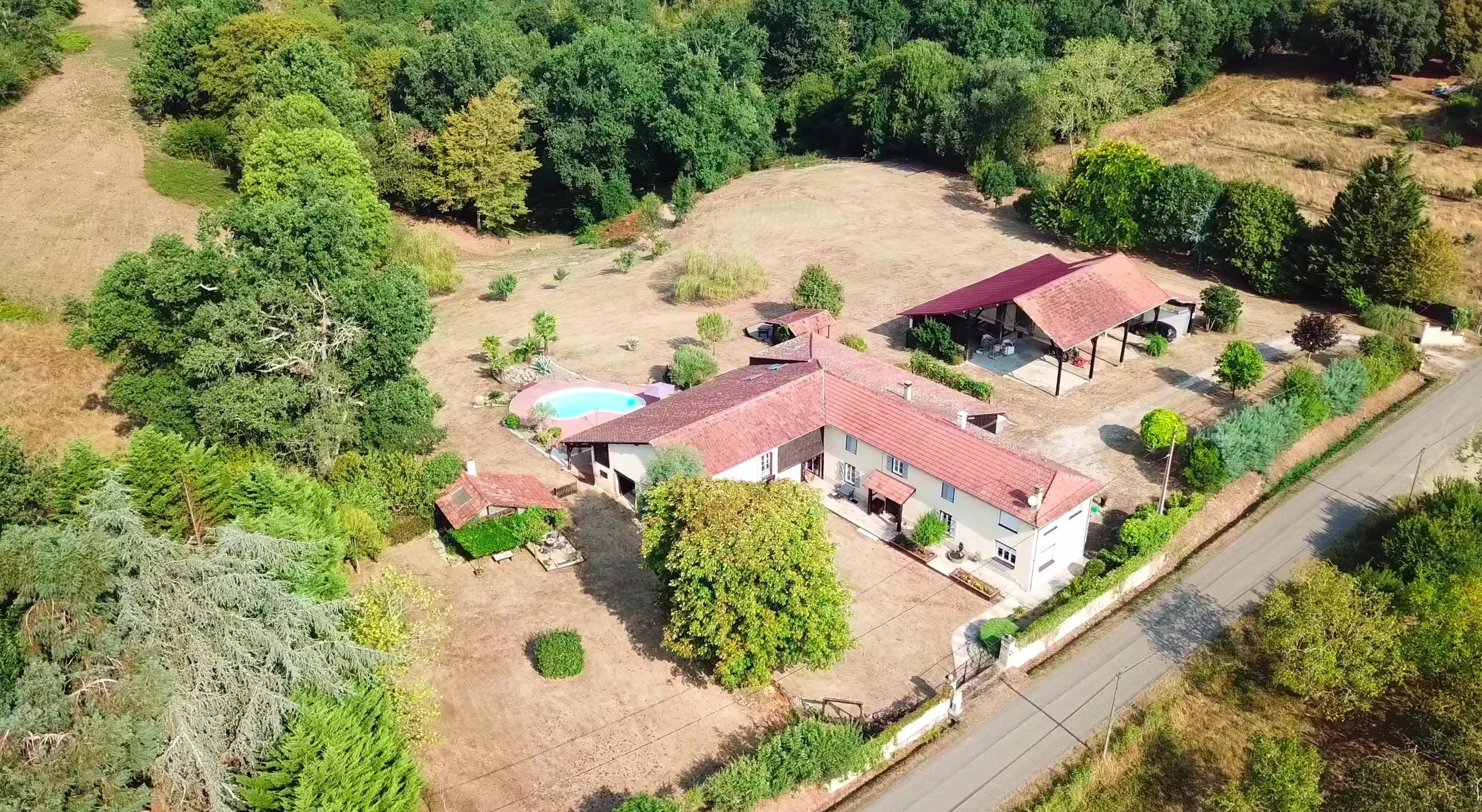
Farmhouse for sale
€525,000

House for sale
€299,000
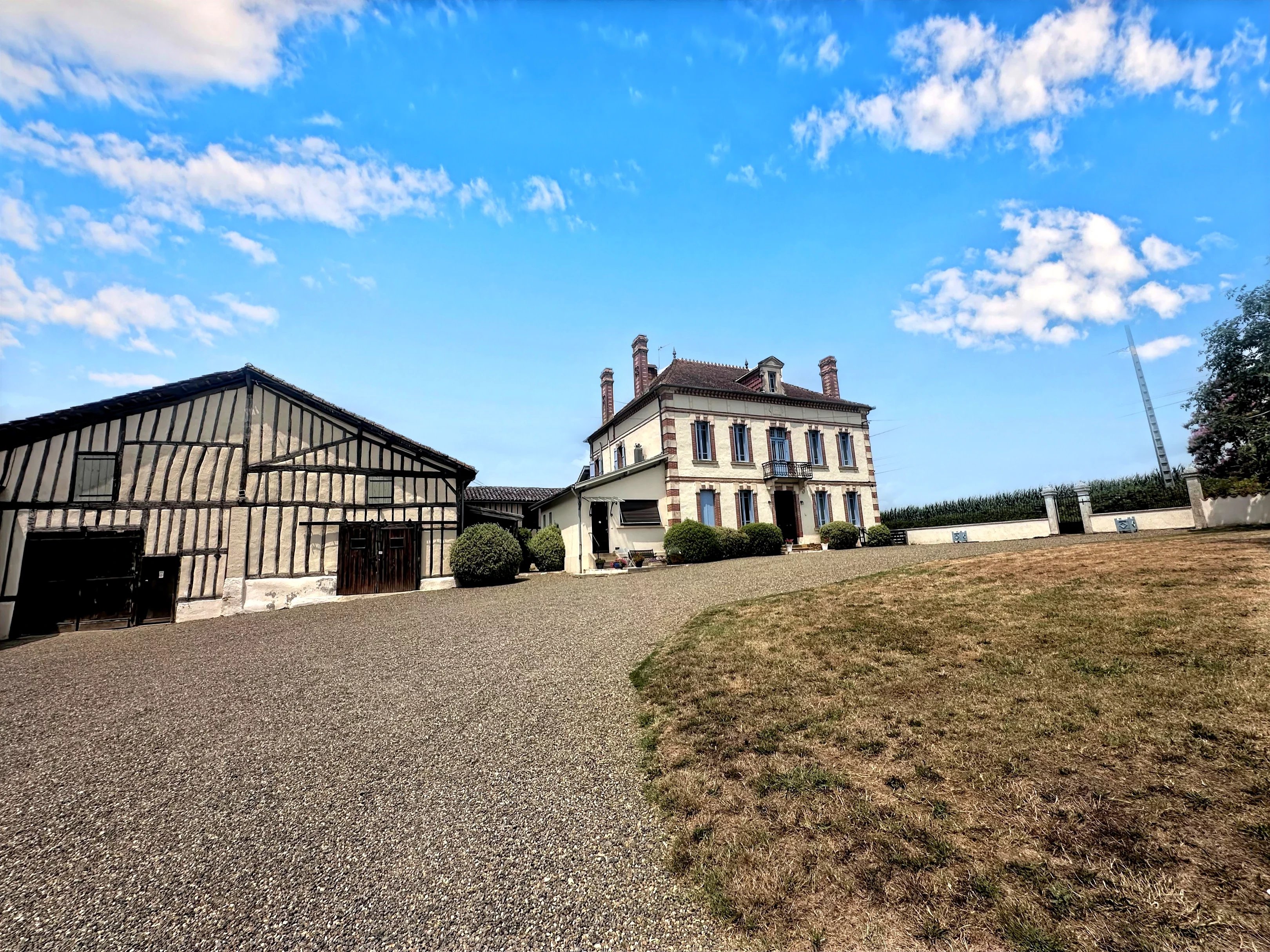
Manor house for sale
€695,000

House for sale
€268,000
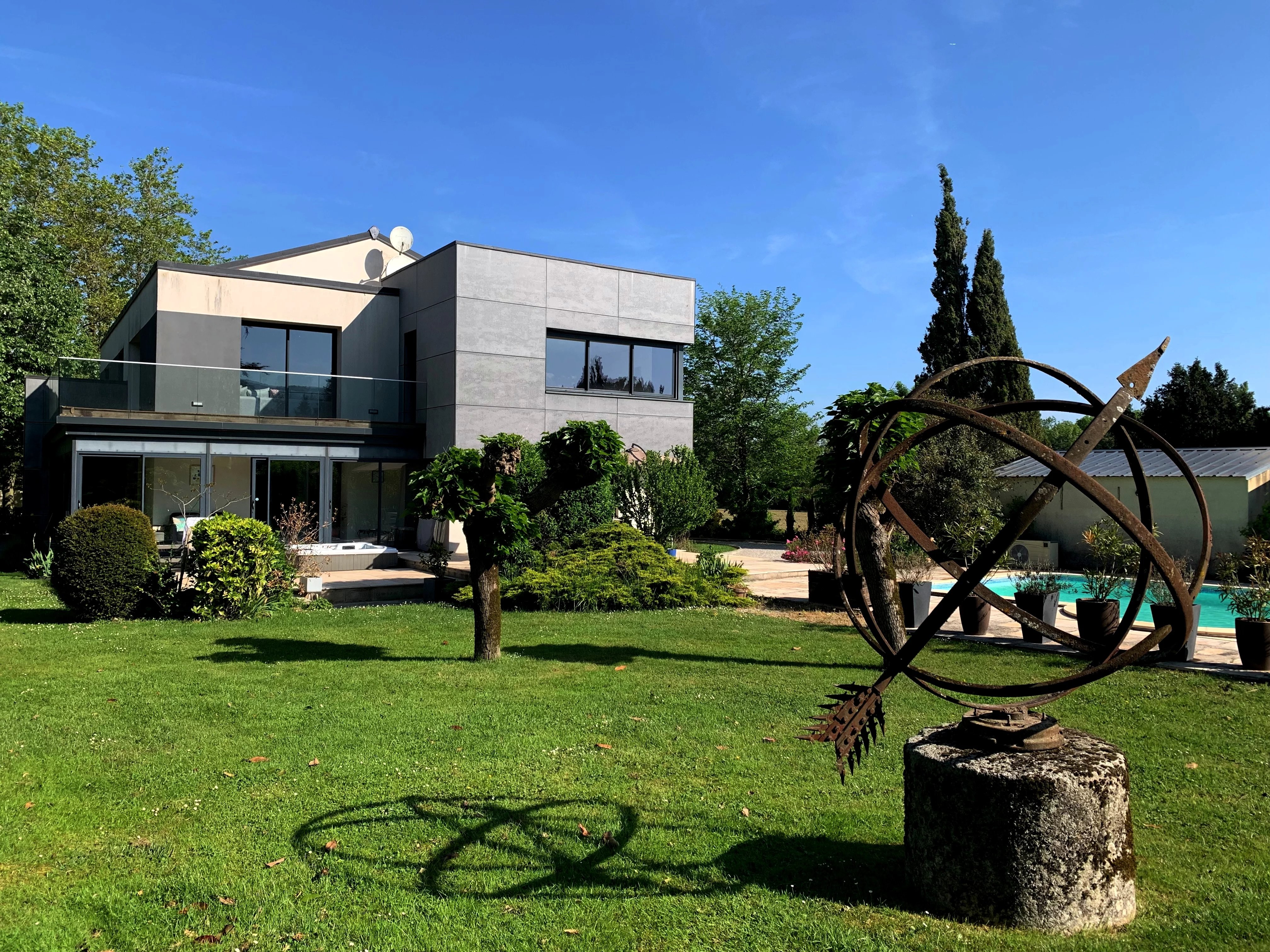
House for sale
€895,000