
French Property Buying Terms Explained: Your Essential Guide to Buying Property in France

Dreaming of buying a farmhouse in the Gers, a village house near Carcassonne or a lock-up-and-leave apartment in Toulouse? You’re not alone. Every year, buyers from around the world fall in love with southwest France and begin the exciting journey of purchasing a property here.
But if you’re new to the French system, the terminology can feel overwhelming at first. Suddenly everyone is talking about compromis de vente, frais de notaire and diagnostics techniques and it’s easy to feel lost.
The good news? Once you understand the key phrases, buying property in France becomes much easier to navigate. In fact, the French system is often considered one of the safest and most transparent in Europe.
This guide explains the most important French property buying terms in plain English, helping you understand exactly what you’re signing, paying and agreeing to at every stage of the process.
Whether you are relocating permanently, buying a holiday home or searching for an investment property in Occitanie, consider this your practical French property dictionary.
Why French Property Terminology Matters
Understanding French property language is about far more than translation. It helps you:
• Understand contracts clearly
• Avoid misunderstandings
• Feel more confident during negotiations
• Budget properly for additional costs
• Communicate effectively with agents, notaires and sellers
• Make informed decisions throughout the buying process
Many buyers are surprised to discover that the French property process is actually highly structured and legally protective once you understand how it works.
The Most Important French Property Buying Terms
Agence Immobilière
This simply means estate agency.
French agencies often operate differently from UK or US agents. Many properties may be listed with several agencies simultaneously and commission structures vary.
You may also hear:
• Agent immobilier - estate agent
• Mandat - agency agreement
• Mandat exclusif - sole agency agreement
Notaire
One of the most important people in the French buying process.
A notaire is a legally qualified public official appointed by the French state. They oversee the legal side of the sale, handle contracts, carry out searches and ensure taxes and registrations are correctly processed.
Importantly, the notaire acts for the transaction itself rather than for one individual party.
Buyers often worry about this system initially, but it is actually designed to protect everyone involved.
Frais de Notaire
These are often mistakenly called ‘notaire fees’, but most of the money actually goes to the French government in taxes and registration costs.
Typically:
• Around 7-8% for older properties
• Around 2-3% for new-build homes
The amount usually includes:
• Taxes
• Registration fees
• Administrative costs
• The notaire’s legal fee
Always factor these costs into your overall budget.
Compromis de Vente
This is the preliminary sales agreement.
Once signed, both buyer and seller are largely committed to the sale, subject to agreed conditions.
The compromis de vente includes:
• Sale price
• Property details
• Conditions of sale
• Survey information
• Mortgage clauses
• Completion timescale
This is a hugely important stage in the French buying process.
Clause Suspensive
A protective condition written into the contract.
One common example is a mortgage clause, meaning the sale can be cancelled if financing is refused.
Other examples may include:
• Planning permission approval
• Sale of another property
• Specific legal checks
These clauses are designed to protect the buyer.
Délai de Rétractation
One of the reasons France is considered buyer-friendly.
After signing the compromis de vente, buyers usually receive a 10-day cooling-off period where they can withdraw without penalty.
This applies mainly to private buyers purchasing residential property.
Acte de Vente
The final deed of sale.
This is the official completion appointment, normally signed at the notaire’s office.
Once signed:
• Ownership transfers officially
• Funds are released
• Keys are handed over
Congratulations - the property is yours!
Diagnostics Techniques

France requires sellers to provide a series of mandatory property reports.
These may include:
• Energy performance
• Asbestos
• Lead
• Electricity safety
• Gas safety
• Termites in some regions
• Natural risk information
Together, these reports are called the Dossier de Diagnostic Technique (DDT).
DPE (Diagnostic de Performance Énergétique)
The French energy efficiency rating.
Properties receive a grade from A to G, similar to EPC ratings in the UK.
This report estimates:
• Energy usage
• Environmental impact
• Heating efficiency
Older stone properties in rural France can sometimes have lower ratings, although many buyers accept this as part of the charm and renovation potential.
Maison de Maître
A term many international buyers quickly fall in love with.
A Maison de Maître is a traditional grand French townhouse or country house, often elegant and symmetrical, with generous ceilings and beautiful original features.
These properties are especially sought after across Occitanie and southwest France.
Mas

A traditional farmhouse, usually associated with southern France.
Originally agricultural homes, many have now been beautifully renovated into spacious family homes or holiday properties.
Gîte
A holiday rental property.
Many buyers in France search specifically for homes with:
• One gîte
• Several gîtes
• Rental potential
• Tourism income opportunities
Gîtes are especially popular in regions such as the Aude, Gers and Ariège.
Terrain

Land or plot.
You may also see:
• Terrain constructible - building land
• Terrain agricole - agricultural land
Always check planning permissions carefully before purchasing land with development intentions.
Habitable vs Surface Totale
French property listings can sometimes confuse overseas buyers because multiple measurements may appear.
Surface habitable = usable living space
Surface totale = total overall space including garages, storage or non-habitable areas
Always clarify which measurement is being used.
Taxe Foncière
An annual property ownership tax paid by the owner.
The amount varies significantly depending on:
• Location
• Property size
• Local commune rates
This is an important ongoing ownership cost to budget for.
Taxe d’Habitation
Historically a residential occupancy tax.
This has largely been phased out for primary residences in France, although some second-home owners may still pay it depending on circumstances.
Viager
A uniquely French property system that often fascinates overseas buyers.
In a viager sale:
• The buyer pays an upfront sum
• Then ongoing payments to the seller
• The seller often continues living in the property for life
These purchases can offer interesting opportunities but require specialist advice.
Commune
The local town or village authority.
Your commune influences:
• Local taxes
• Planning permissions
• Community services
• Schools
• Waste collection
• Local regulations
In rural France, communes are often at the heart of community life.
Understanding French Estate Agent Listings
French property adverts can look quite different from British or American listings.
You may notice:
• Fewer highly polished photos
• More factual descriptions
• Room measurements included
• References to land size in hectares
• Technical details about heating systems and septic tanks
This practical style is completely normal in France.
A Few Helpful Everyday French Property Words
Here are a few extra terms you’ll quickly begin recognising:
French Term Meaning
Cuisine équipée Equipped kitchen
Salle d’eau Shower room
Chambre Bedroom
Salon Living room
Dépendance Outbuilding
Piscine Swimming pool
Cave Cellar
Garage Garage
Grange Barn
Vue dégagée Open views
À rénover In need of renovation
Is Buying Property in France Difficult?
Actually, once you understand the terminology and process, many buyers find it surprisingly straightforward.
The key is working with:
• A trusted estate agency
• A reputable notaire
• Clear translations where needed
• Good local advice
And of course – patience! French property purchases can sometimes move more slowly than buyers from other countries are used to, particularly in rural areas.
But for many people, the reward is worth it: sunshine, space, beautiful architecture, slower living and a lifestyle that feels genuinely different.
Thinking About Buying in Occitanie?
From vineyard villages to mountain views, medieval bastides to elegant townhouses, Occitanie offers an incredible variety of property styles and prices.
Whether you are searching for:
• A renovation project
• A holiday retreat
• A family relocation
• A home with gîtes
• A luxury country estate
• A lock-up-and-leave apartment
…understanding the language of French property is the perfect place to begin.
Because once the terminology starts making sense, the dream suddenly feels very real indeed!
Looking for a home in the South of France?
At Occitanie Propriétés, we don't just write about life here - we help you make it your own. Explore our selection of houses and character properties for sale across Occitanie, from traditional village homes to countryside estates. These are just a few of the beautiful homes currently available...
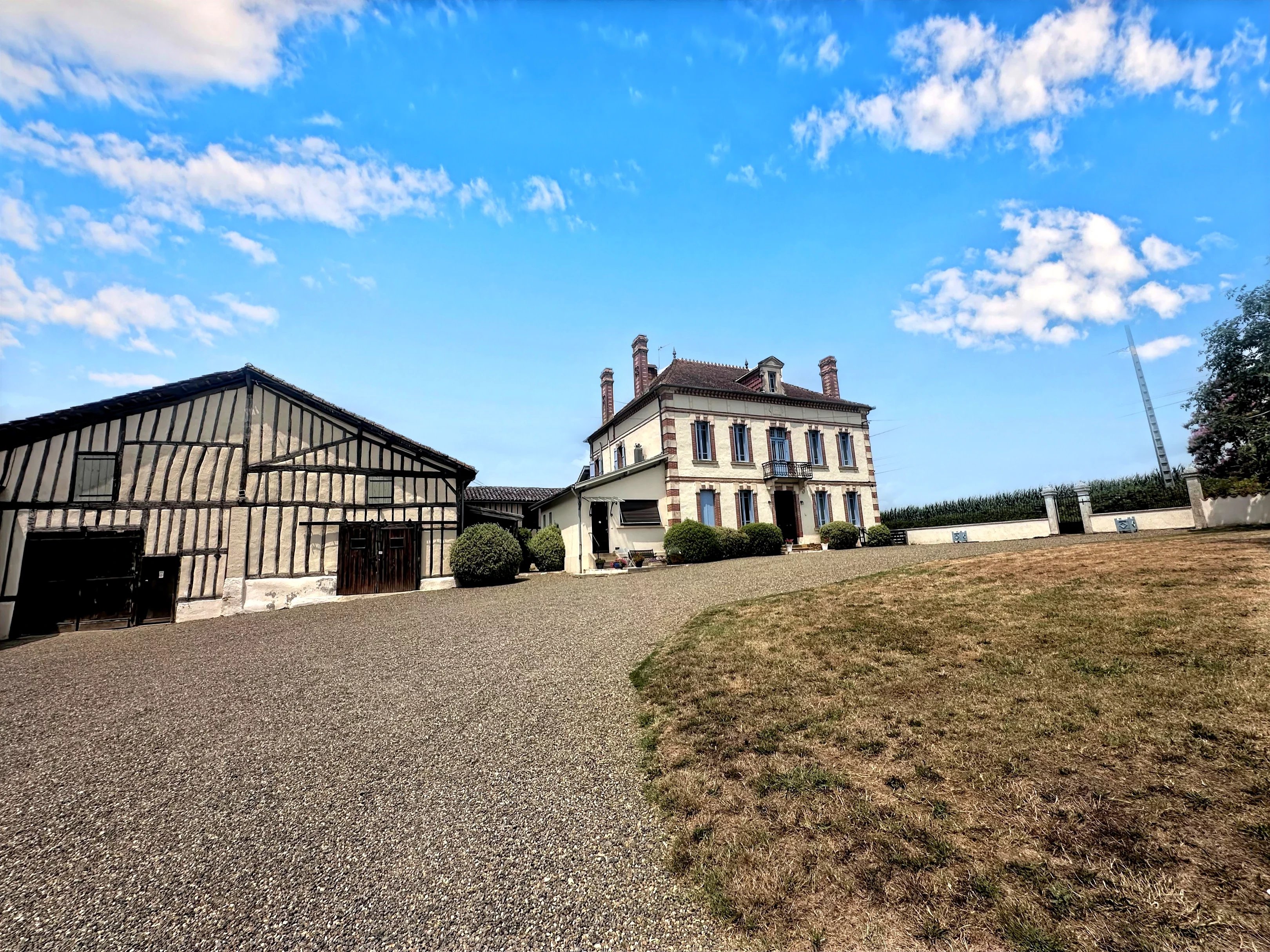
Manor house for sale
€695,000
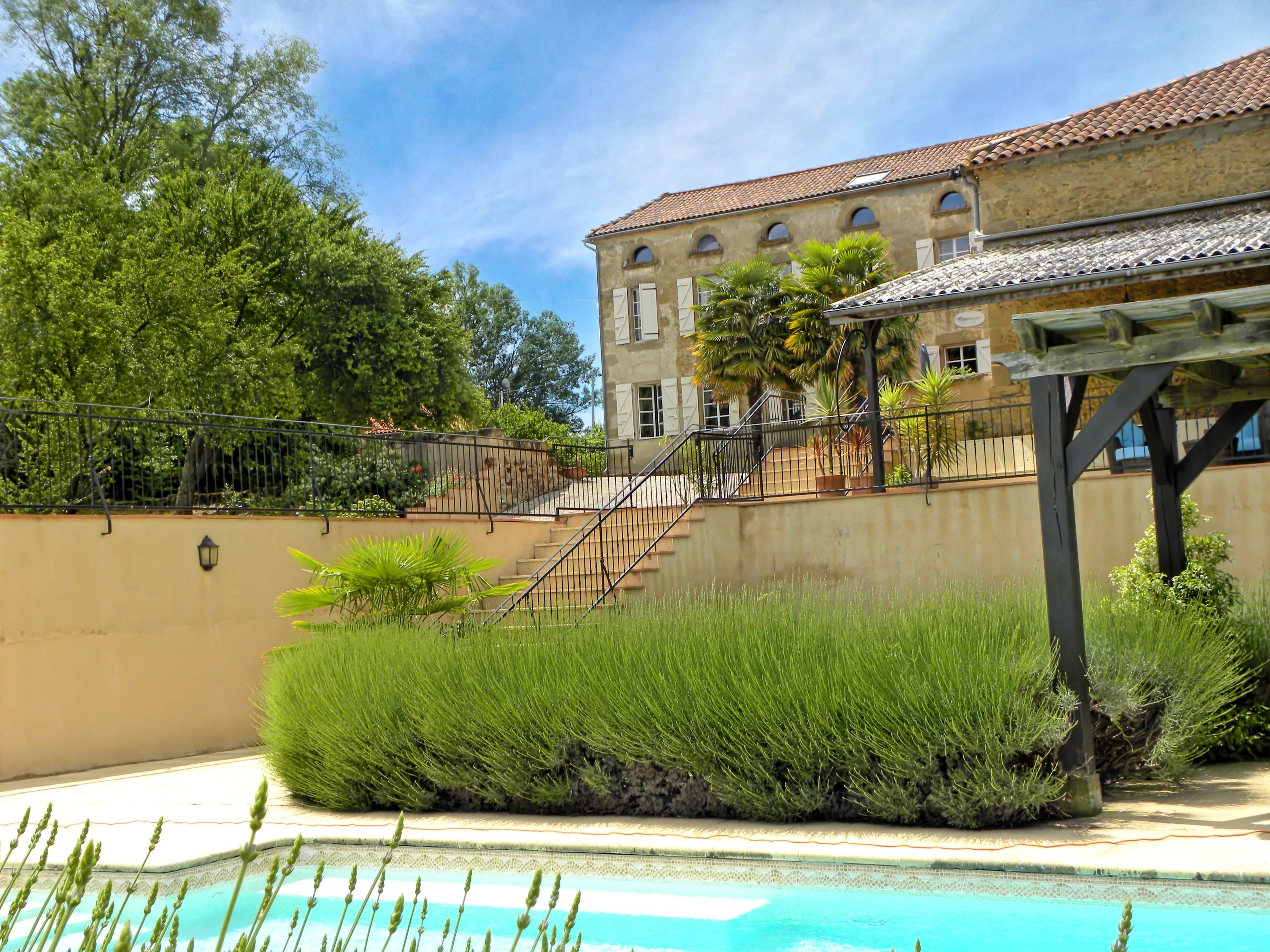
Manor house for sale
€625,000
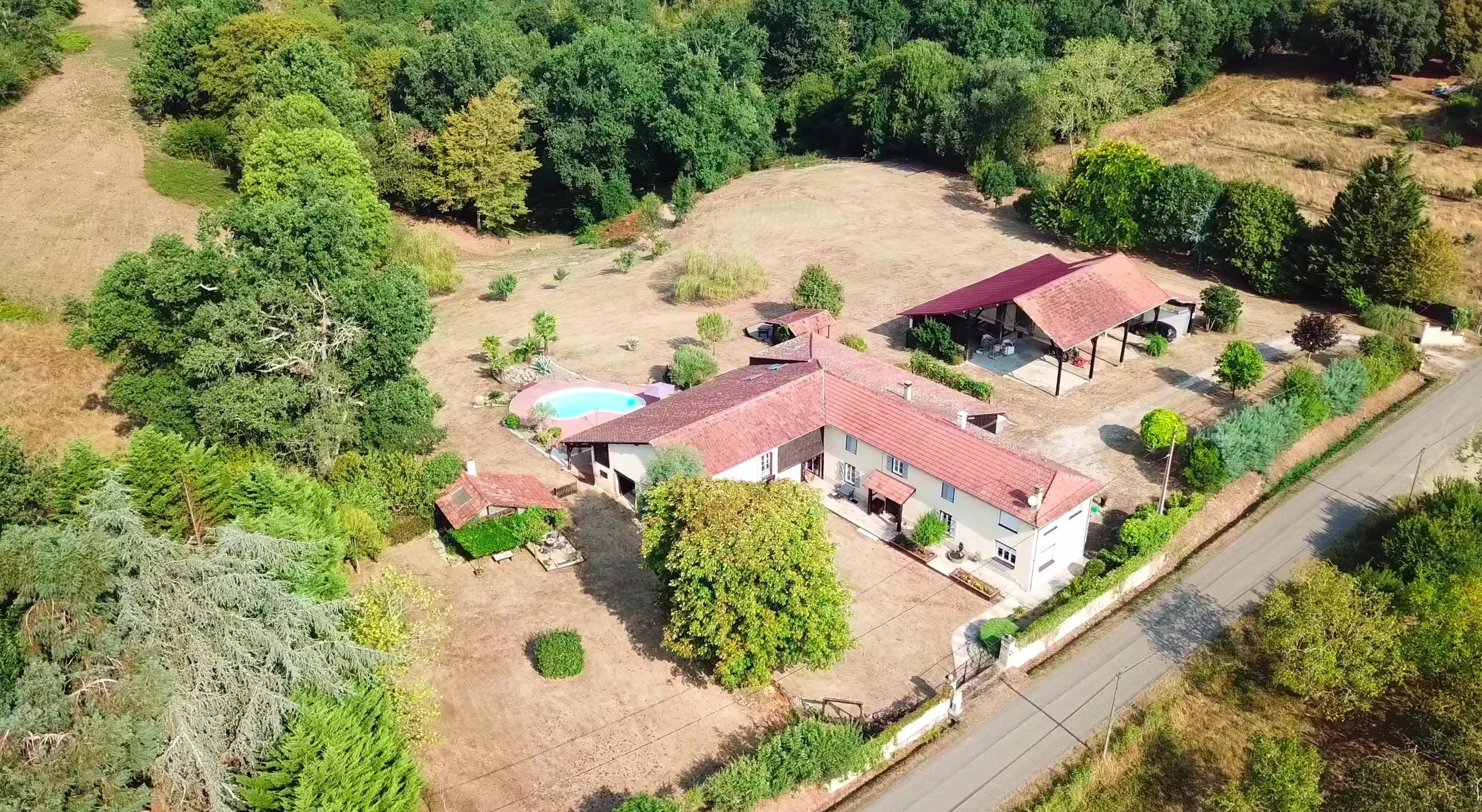
Farmhouse for sale
€525,000

House for sale
€219,000
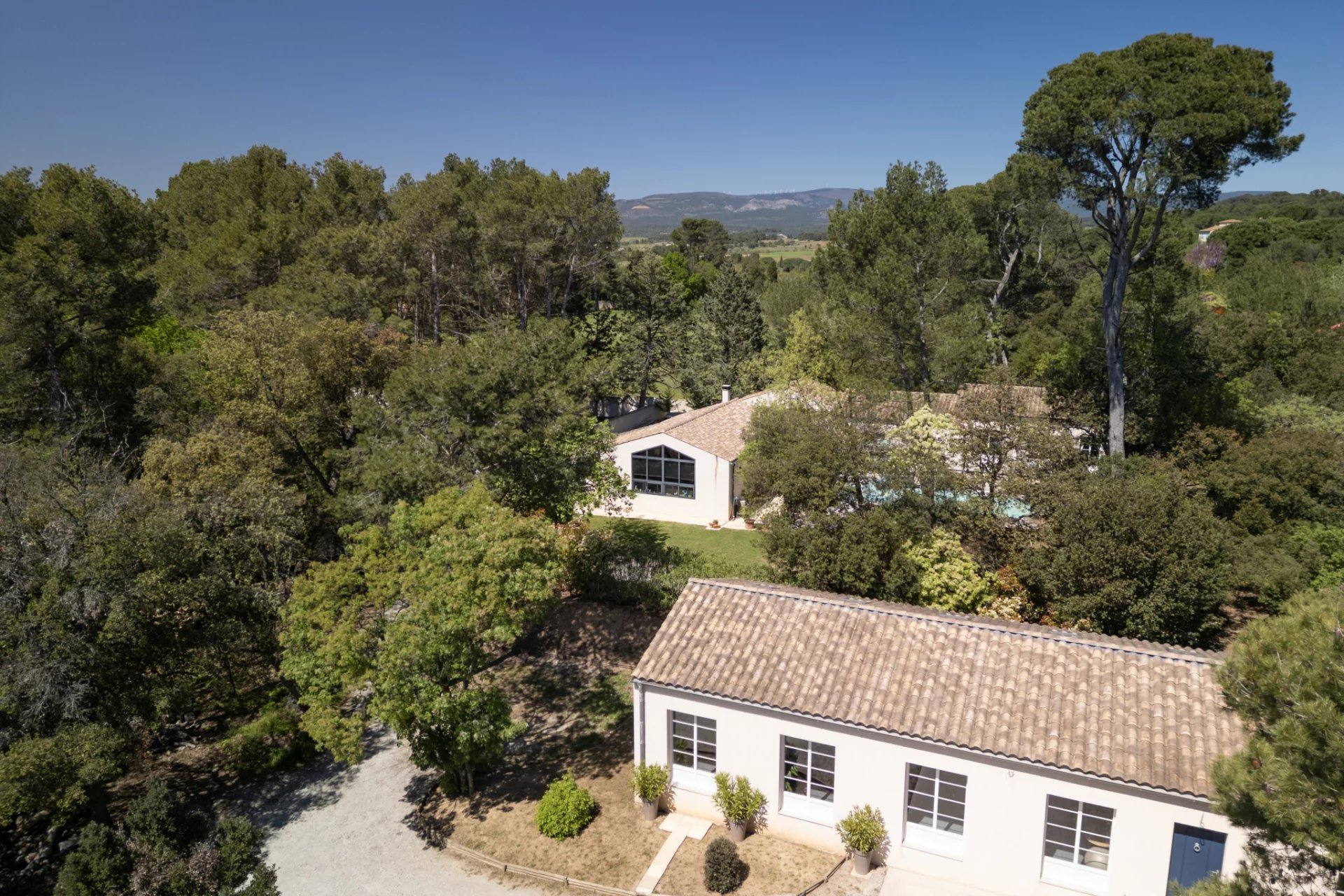
House for sale
€749,000
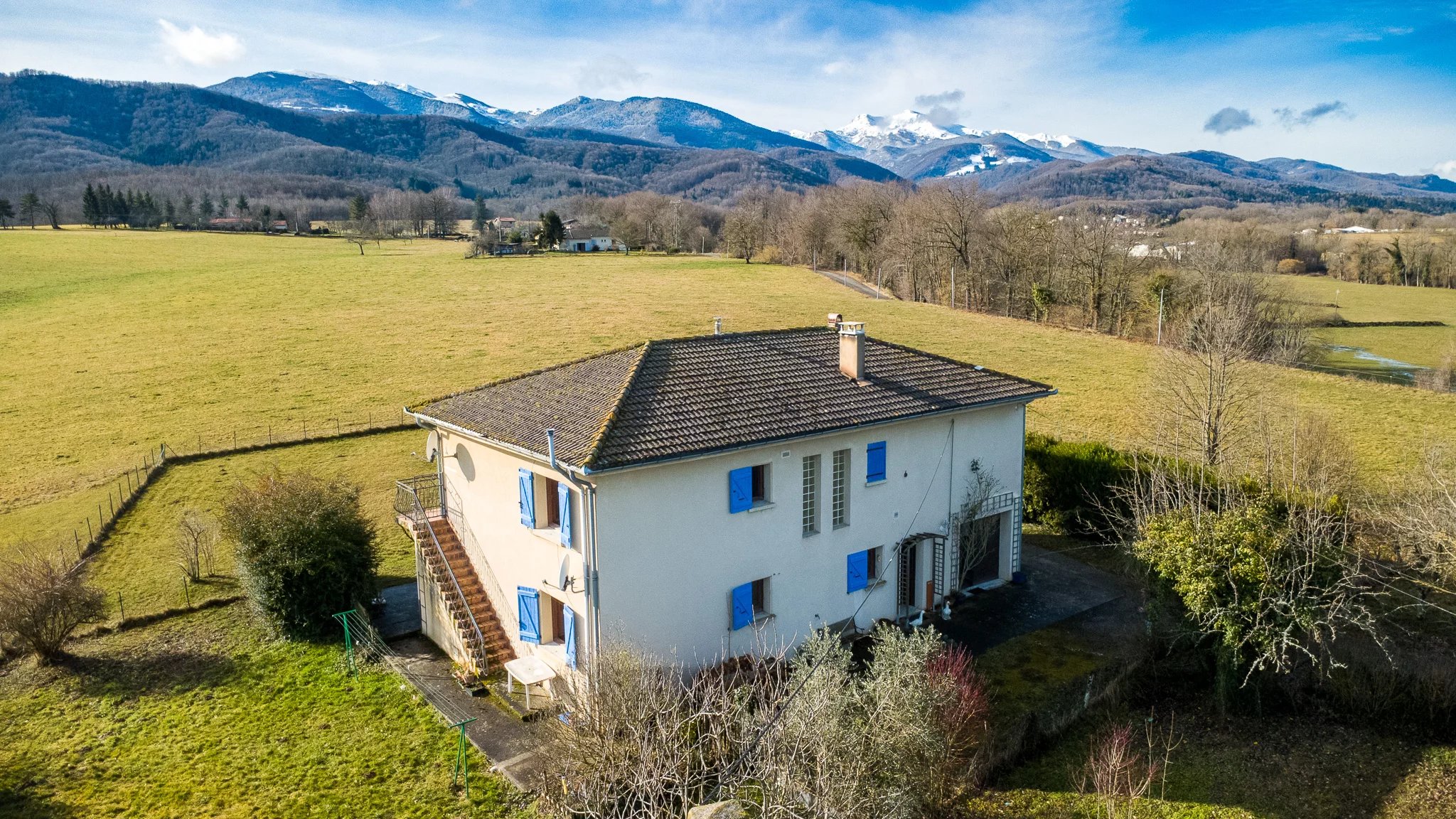
House for sale
€325,000
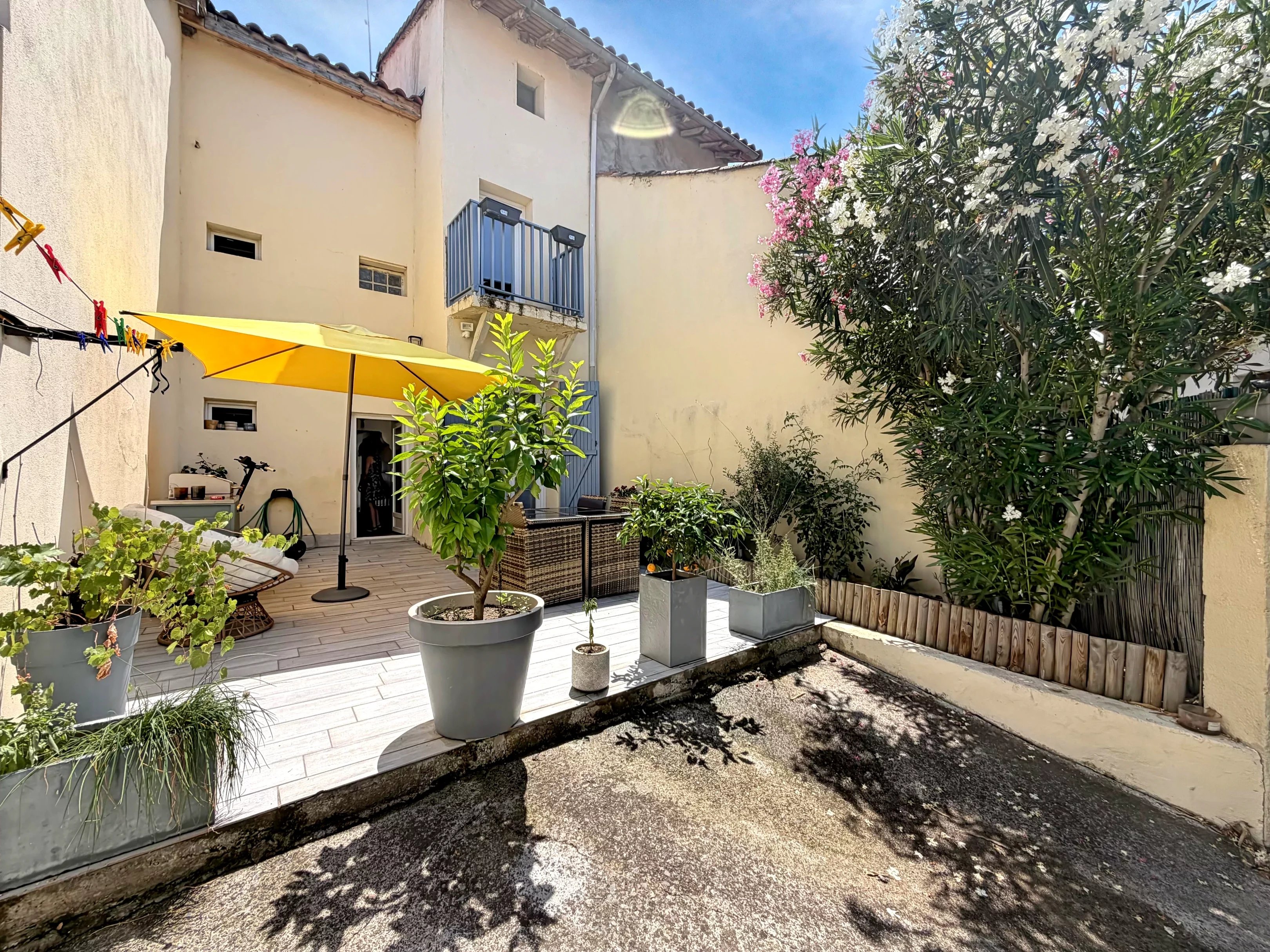
Village house for sale
€210,000

House for sale
€949,500

Townhouse for sale
€269,000
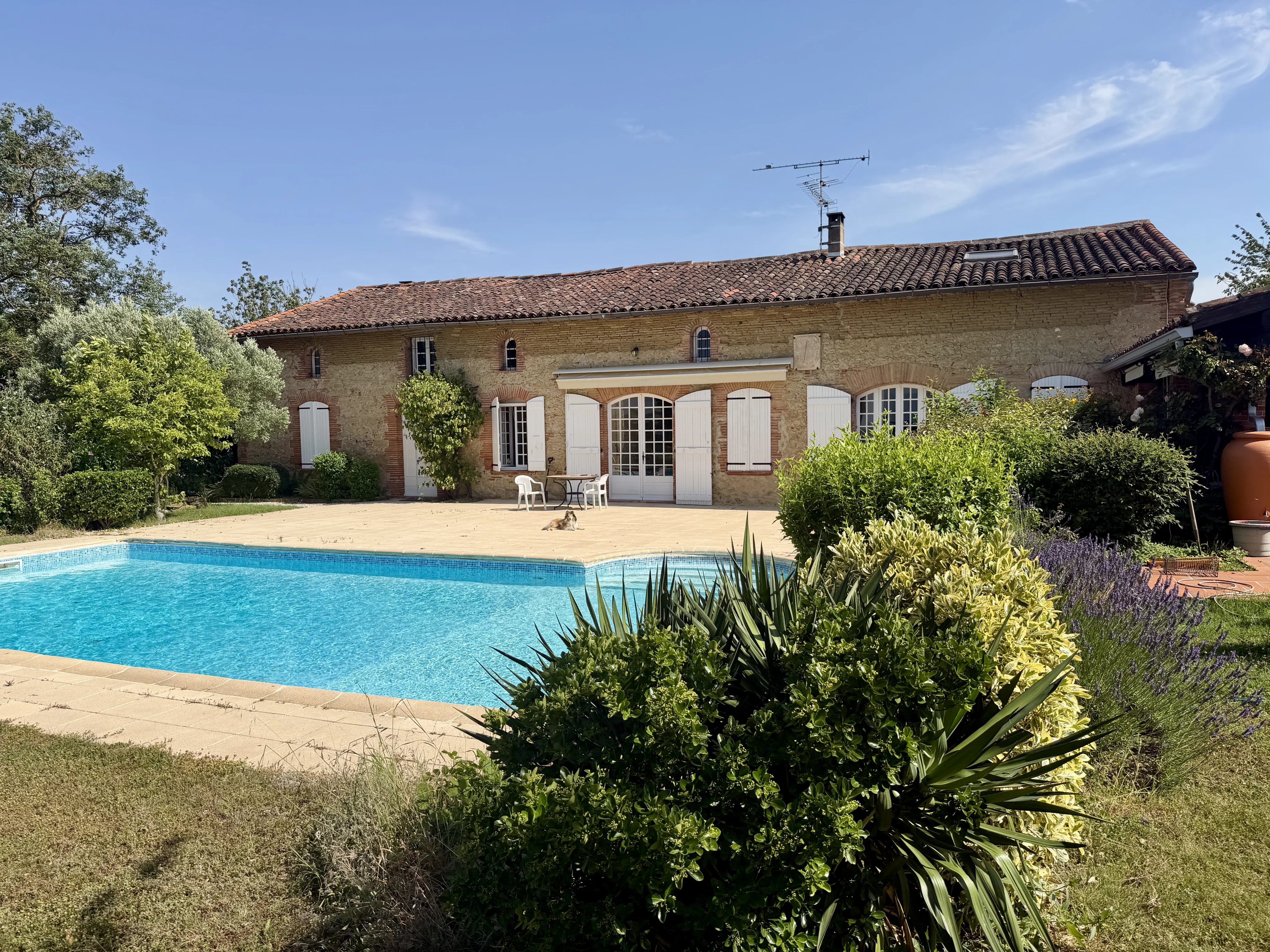
House for sale
€690,000
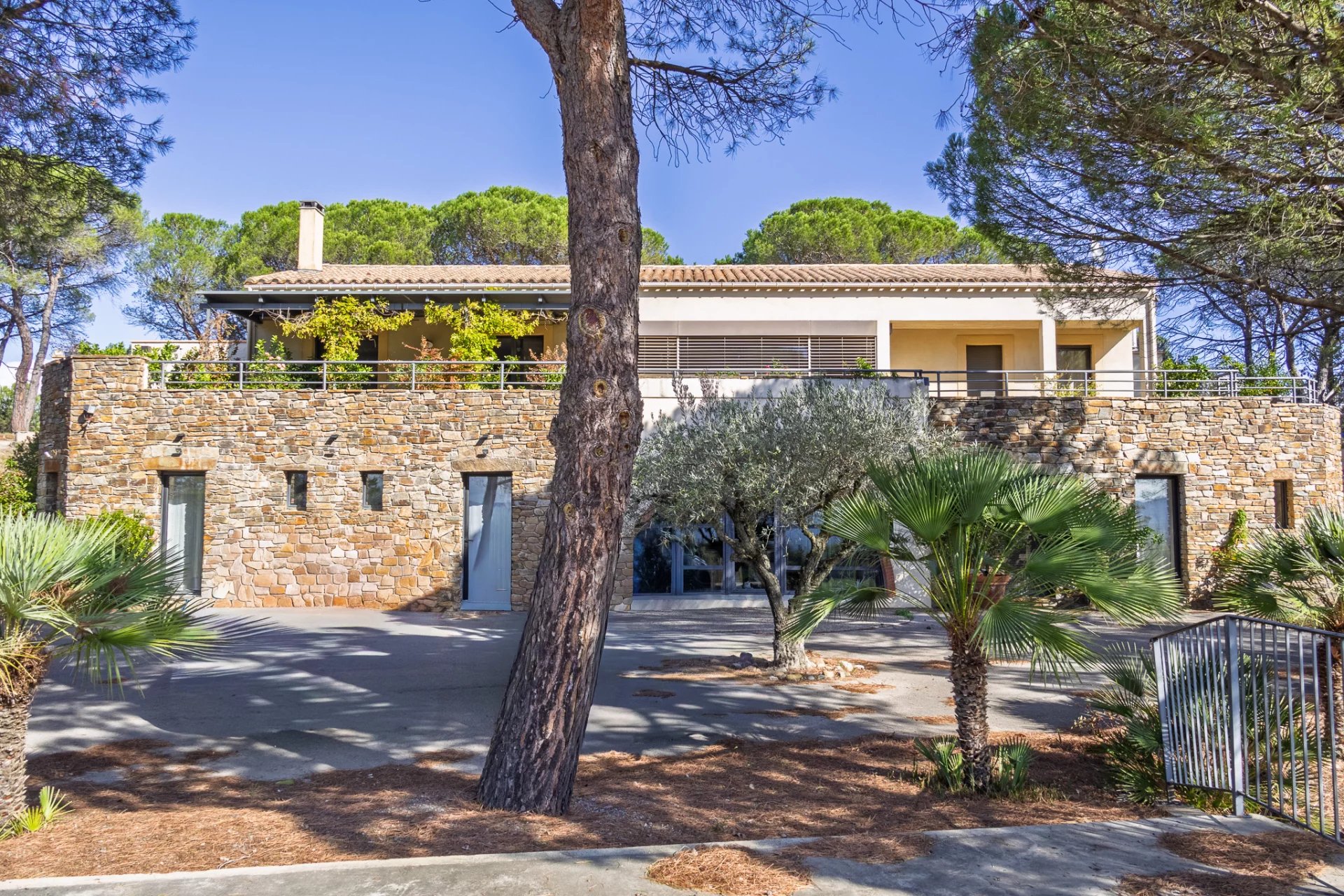
Property for sale
€1,144,000

House for sale
€397,500
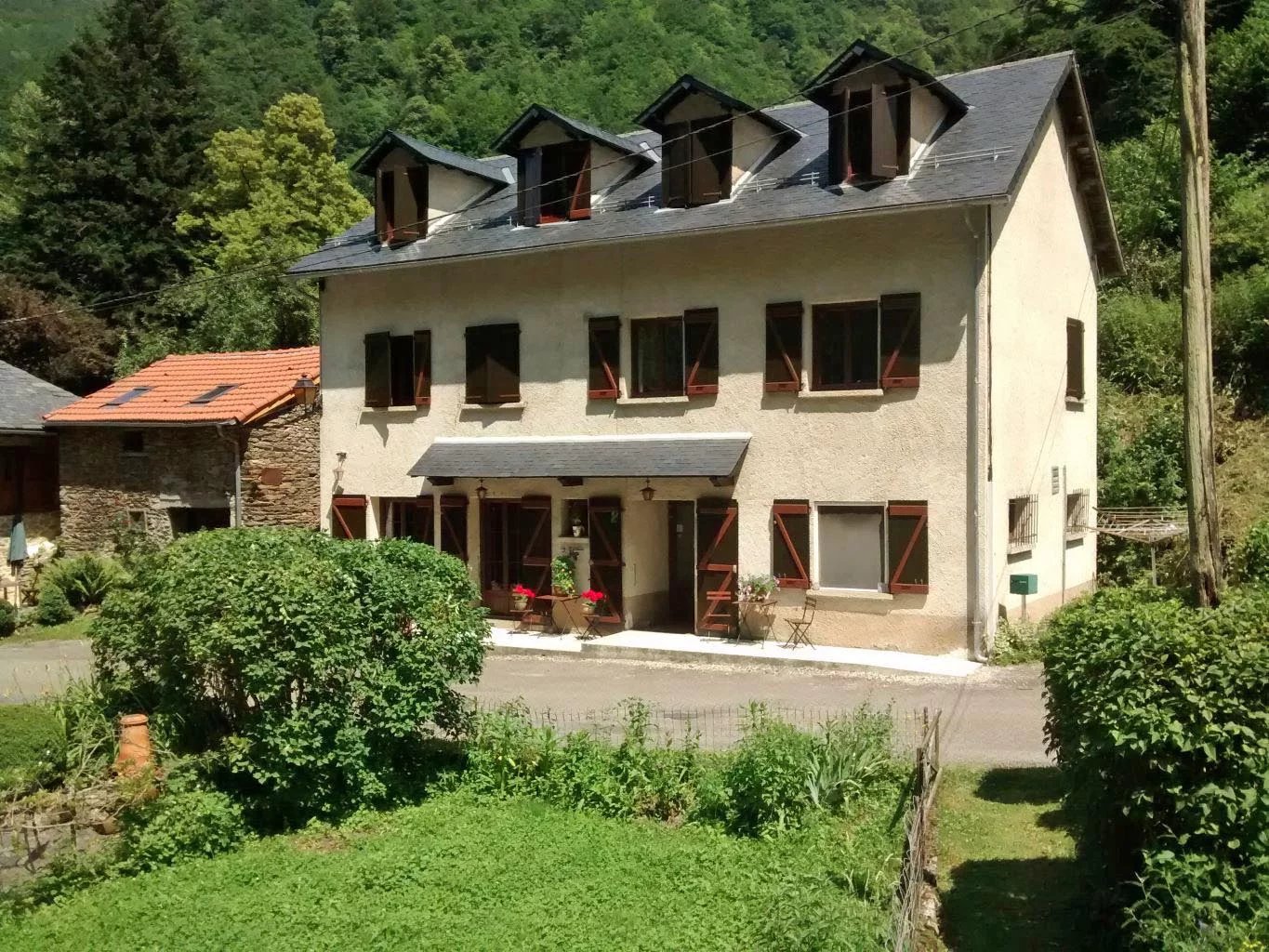
Property for sale
€469,000
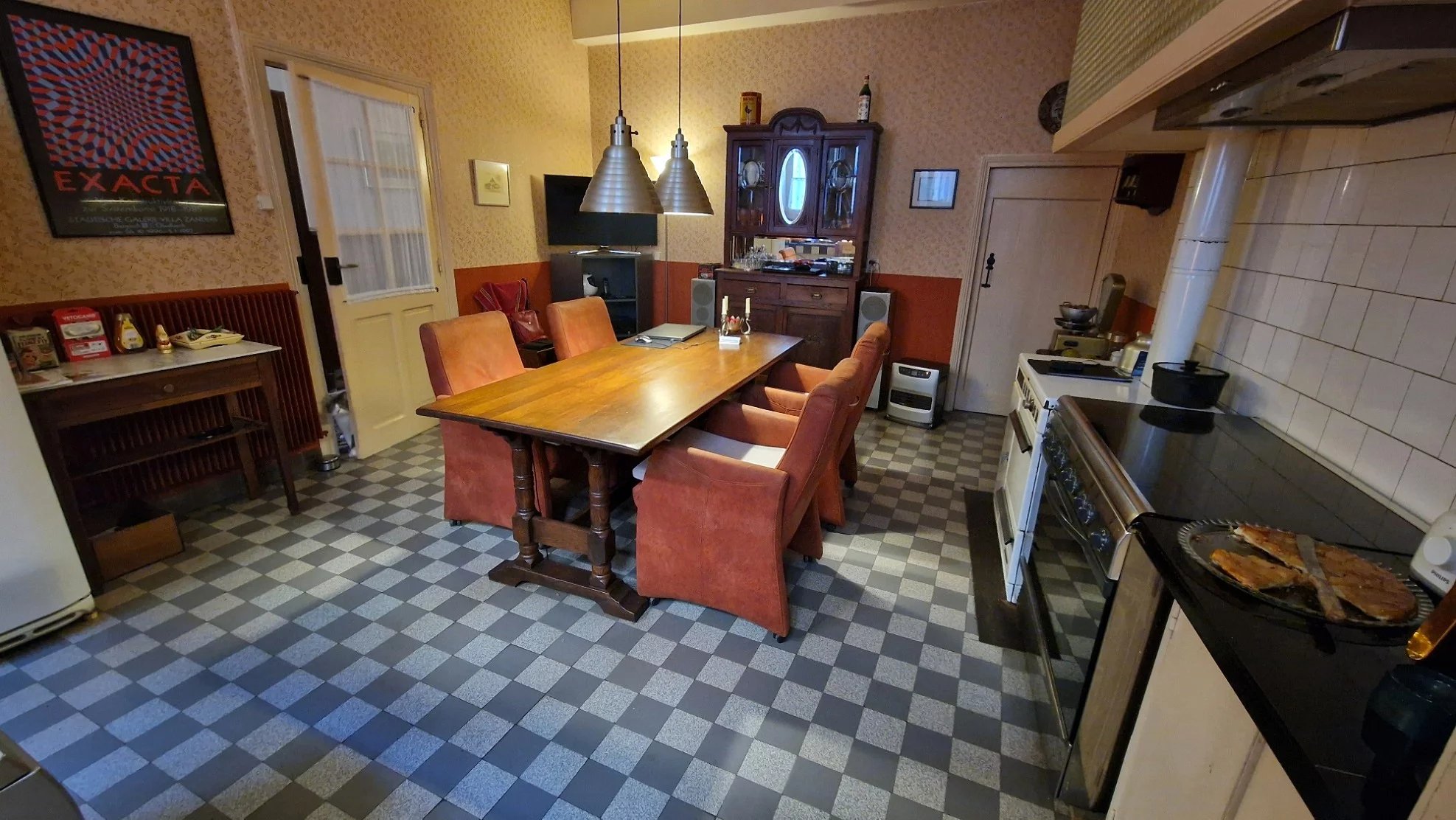
Village house for sale
€149,000

House for sale
€299,000

House for sale
€385,000

House for sale
€699,000
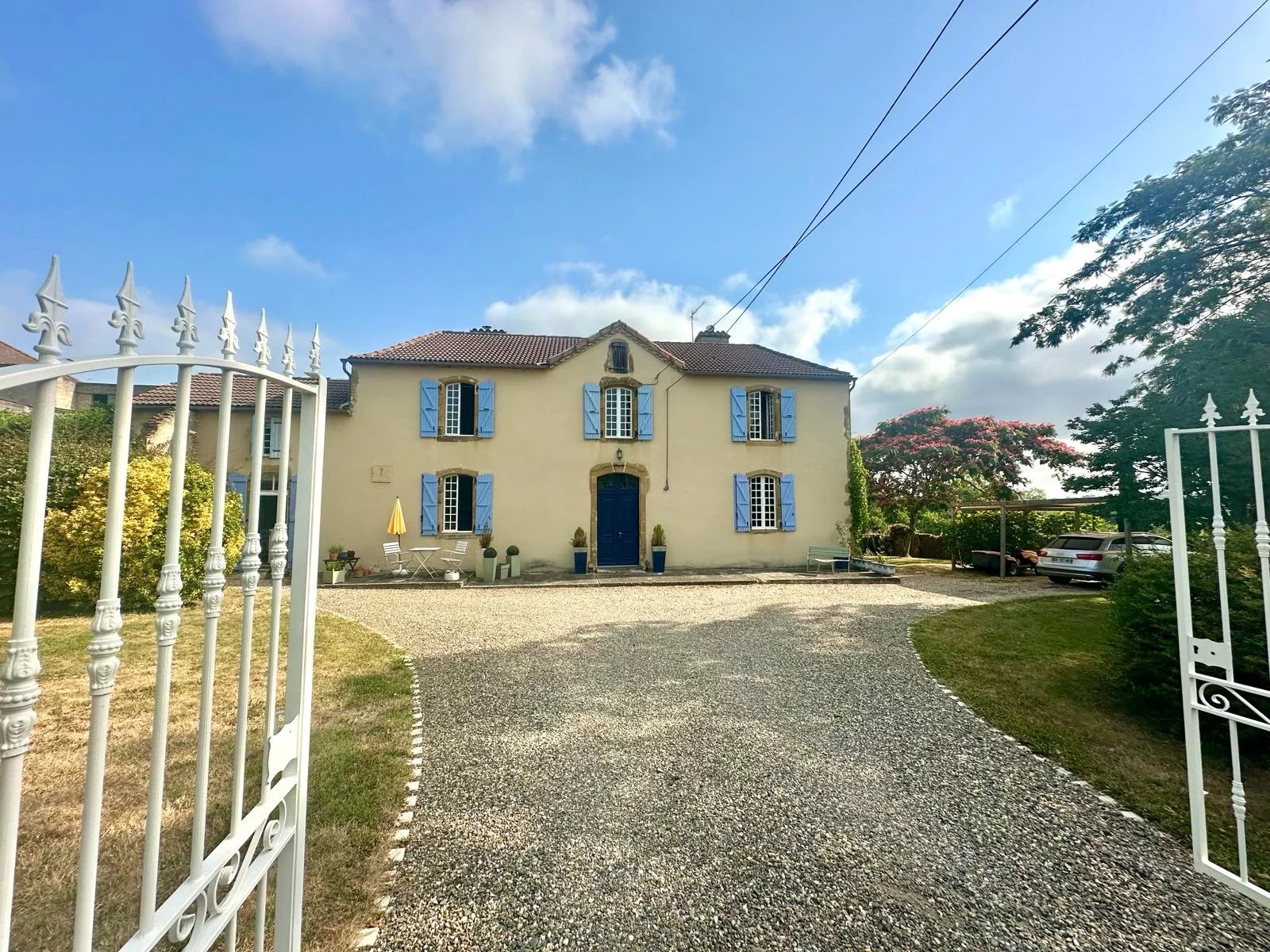
Village house for sale
€420,000

House for sale
€329,000
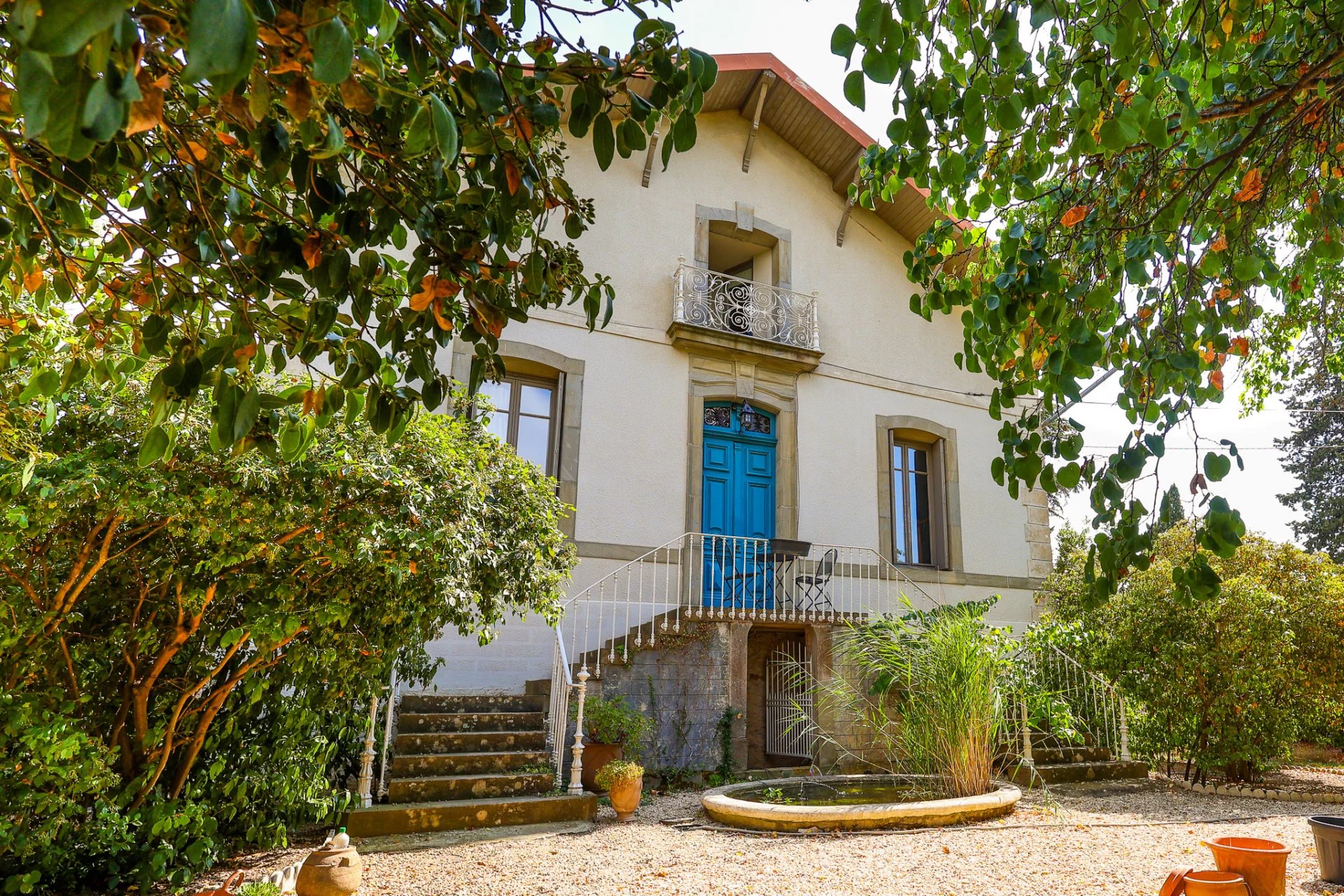
House for sale
€699,000