
Finding and viewing property from abroad

It usually starts with a saved property listing, then another. Before long, you have a folder full of French houses, several estate agents to contact and a growing suspicion that the villages you’ve shortlisted are rather further apart than they looked on the map.
Finding a property in France from abroad is perfectly possible, and much of the early work can happen before you travel. The more you can find out about a house, its surroundings and how it fits your plans, the more useful your viewing trip will be.
At Occitanie Properties, we help international buyers search for homes across Occitanie in southern France. Our optional buyer’s agent service can include properties marketed by us, other agencies and private sellers, with remote previews where possible and accompanied viewings when you visit.
Whether you’re planning a permanent move or looking for a second home, here’s how to give yourself a good start…
Start with the life you want
Before you get too attached to a terrace, think about what an ordinary week in France might look like.
A house surrounded by countryside can be wonderful, but how often would you want to drive into town? A village home might put you within walking distance of a café, although parking and outside space could involve a compromise. A large garden may feel irresistible in May. It’s worth thinking about who will look after it when you’re away.
Write down your essentials, the things you’d like and the things you could happily live without. Include your total budget, allowing for purchase costs and any work you expect to carry out.
For a permanent home, you might prioritise year-round shops, healthcare, a workspace and reliable internet. For a holiday home, the journey from the airport, maintenance and how easily you can leave the property between visits may matter more.
You don’t need every answer before getting in touch. These conversations help us understand where to begin.
Give your search some geography
Occitanie covers a large and varied part of southern France. A house near Carcassonne, a village property in the Gers and a home close to the Pyrénées might all appeal, but seeing them on the same afternoon is another matter.
Choose a manageable area for your first viewing trip. Look at actual driving routes and journey times, including the roads you’d use regularly once you lived there. Our areas of strongest local knowledge include Aude, Ariège, Gers, Haute-Garonne, Hautes-Pyrénées, Hérault, Pyrénées-Orientales and Tarn.
If you’re considering another part of Occitanie, tell us where. We’ll discuss your search case by case and explain how we can help, including whether we can work with a local agency contact. If you’re still comparing areas, leave time to explore them. A few hours in a town can help you decide whether you’d like to spend your days there.
Look beyond the property photographs
Online listings are a useful starting point. Once a house interests you, the next step is to find out more. Ask for a floor plan if one is available, confirm how the rooms connect and find out whether the stated accommodation includes annexes or separate buildings. Check what the outdoor space actually consists of. A terrace, a courtyard and a sloping plot offer very different ways of spending time outside.
The setting deserves just as much attention. Useful questions include:
• Where is the house in relation to the nearest shops and village centre?
• Is the walk into town practical, with a safe route?
• Are there busy roads, railway lines or businesses nearby?
• Is access shared, and where would you park?
• Which way do the main rooms and terrace face?
• Is the property occupied, and how much notice is needed for a viewing?
Tell the agent what matters to you. If traffic noise would rule a house out, or you need somewhere you can manage without a car, it helps to know that early.
Ask for the paperwork too
Before travelling for a property you’re seriously considering, ask what reports and supporting documents are available. French sellers must provide a dossier de diagnostic technique, or DDT, containing the applicable statutory property reports. Depending on the property, these can cover matters such as energy performance, electrical and gas installations, asbestos, lead and certain other risks. The required reports vary with the building and its location. service-public.gouv.fr
Ask for the DPE energy report and explanations of anything you don’t understand. Questions about heating, insulation, drainage, previous work or the condition of an outbuilding are much easier to pursue while you’re building a shortlist.
You can also use the French government’s Géorisques website to explore risk information for an address, including relevant natural and technological hazards. Remplir son état des risques
If the condition of the house raises questions, ask an appropriately qualified surveyor or specialist what further investigation would be useful. Your notaire can advise on the legal documents and property rights.
Make a remote viewing useful
A live video viewing can help you decide whether a house belongs on your shortlist. Where possible, we can arrange one ourselves or coordinate with the selling agent.
Before the call, send over the questions you’d most like answered. Ask for a continuous walk through the rooms so you can understand the layout, with time spent on details that matter to you.
It can be helpful to see the approach to the house, neighbouring buildings, parking and the view from each main window. Ask to look inside the utility room, garage or basement as well as the rooms that made the listing.
One buyer in the Netherlands contacted our Anneke after finding a house online that they were keen to make an offer on. They wanted someone local who spoke Dutch to have a look first. During her visit, Anneke found mushrooms growing on the woodwork in the basement. The buyer decided against the purchase. That particular discovery changed their plans. Other visits simply help buyers understand a layout or decide whether the setting feels right. Either way, having someone there to ask questions can make a difference when you’re looking from another country.
Plan a viewing trip with room to breathe

Once you have a shortlist, confirm appointments before finalising a tightly packed itinerary. Properties may be occupied, keys may be held elsewhere and access can depend on several people’s availability.
Group viewings by area and allow time for driving, parking and discussing what you’ve seen. A house with several outbuildings or a substantial plot deserves more time than a quick walk through a small apartment.
With our buyer’s agent service, once your shortlist and travel plans are agreed, we put together an itinerary and accompany you on the visits. Where the schedule allows, we also make time to explore the surrounding area.
Leave a little flexibility for a second viewing or an unexpected suggestion. Rebecca once showed buyers a house on the canal that they hadn’t even seen online. After spending time with them, she had a feeling it would suit them. It was love at first sight!
Notice how the place feels
During a viewing, take photographs and notes with permission. After several houses, it’s surprisingly easy to remember the kitchen from one and the garden from another.
Look at how you’d use the rooms. Where would you put a desk? Would visiting family have enough space? How would you get the shopping from the car to the kitchen?
Spend time outside too. Listen, look around and try the walk you imagine doing each morning. Visit the local shops and have lunch nearby. If possible, return to the area at another time of day.
Ask what the village is like in winter, which amenities stay open and whether the pace changes during the holiday season. You may love somewhere in August and want to understand a little more about February before making it your permanent home.
Give yourself time before making an offer
We always recommend viewing a property in person before making an offer. A remote preview helps you prepare, while being there allows you to judge the light, noise, proportions and surroundings for yourself.
If a home feels promising, review your original priorities and the information you’ve gathered. Ask any remaining questions and discuss concerns with the appropriate professional. A second viewing can be a useful opportunity to look more closely once the excitement of the first visit has settled.
Having someone here to help
Buying property in France from abroad involves plenty of organisation, particularly when you’re coordinating several agents and a limited number of days away.
Our buyer’s agent service helps you refine your brief, investigate suitable properties and arrange viewings around your visit. If you find a home you want to buy, we can also handle negotiations and help coordinate communication and paperwork through to completion.
The service is optional and provided under a signed property search agreement, known as a mandat de recherche. We explain what’s included and the fee before you sign. The search fee is paid on completion and is separate from any agency fee for the sale.
Tell us what you have in mind
You might have a carefully researched shortlist or simply know that you’d love a home somewhere in southern France. Either is a good starting point.
Tell us what matters to you, what you’re hoping to spend and when you might be able to visit. We’ll talk through how we can help you find the places worth coming to see.
Tell us about your plans
Official reference links:
Service Public — property reports required when selling a home
Géorisques — information for property buyers and tenants
Looking for a home in the South of France?
At Occitanie Propriétés, we don't just write about life here - we help you make it your own. Explore our selection of houses and character properties for sale across Occitanie, from traditional village homes to countryside estates. These are just a few of the beautiful homes currently available...

House for sale
€379,000

House for sale
€470,000

House for sale
€399,000

Village house for sale
€525,000
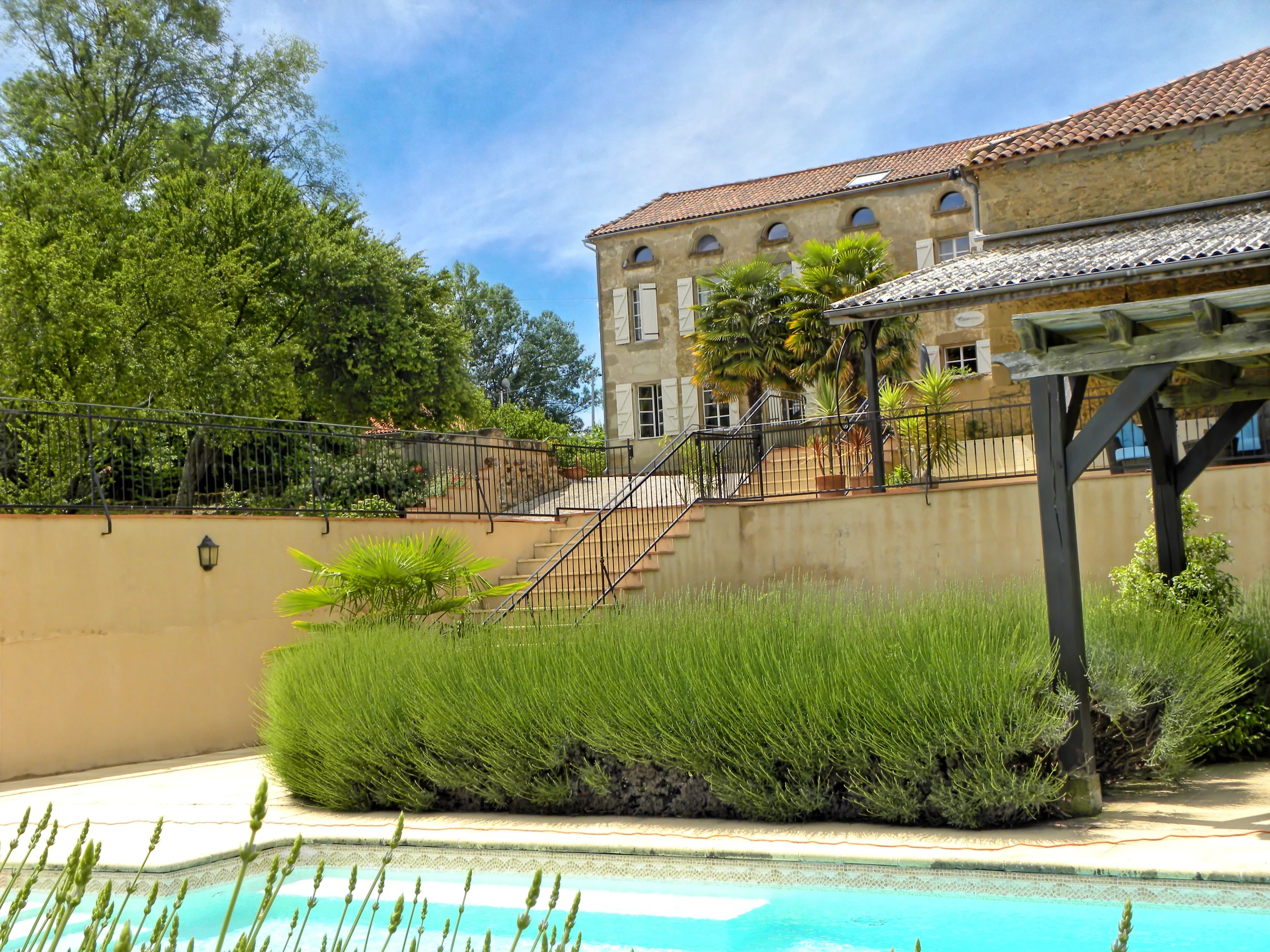
Manor house for sale
€625,000

House for sale
€390,000

Property for sale
€950,000

House for sale
€499,000

Property for sale
€1,260,000
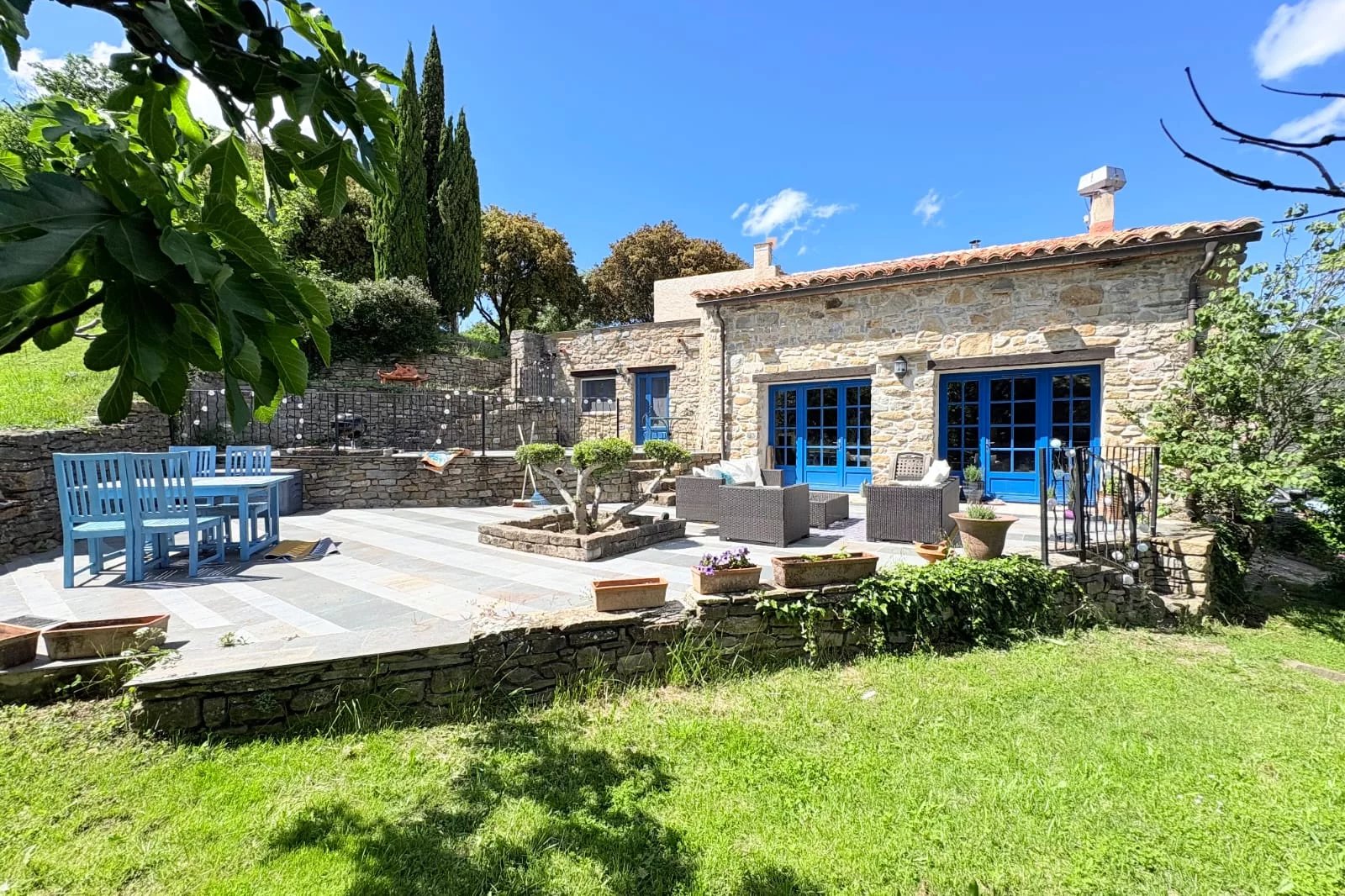
House for sale
€435,000
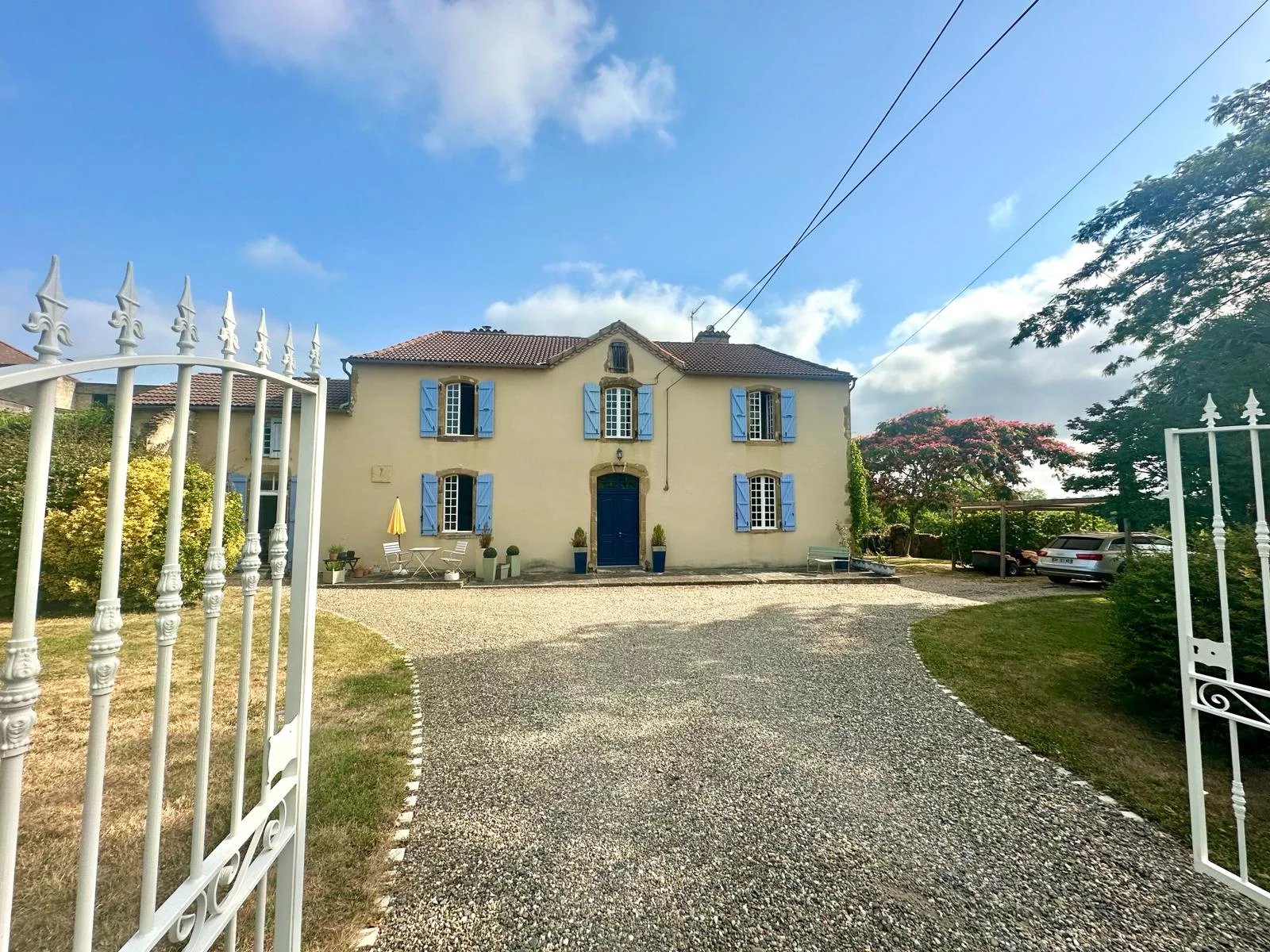
Village house for sale
€420,000

Bed and breakfast for sale
€675,000

Mill for sale
€399,000
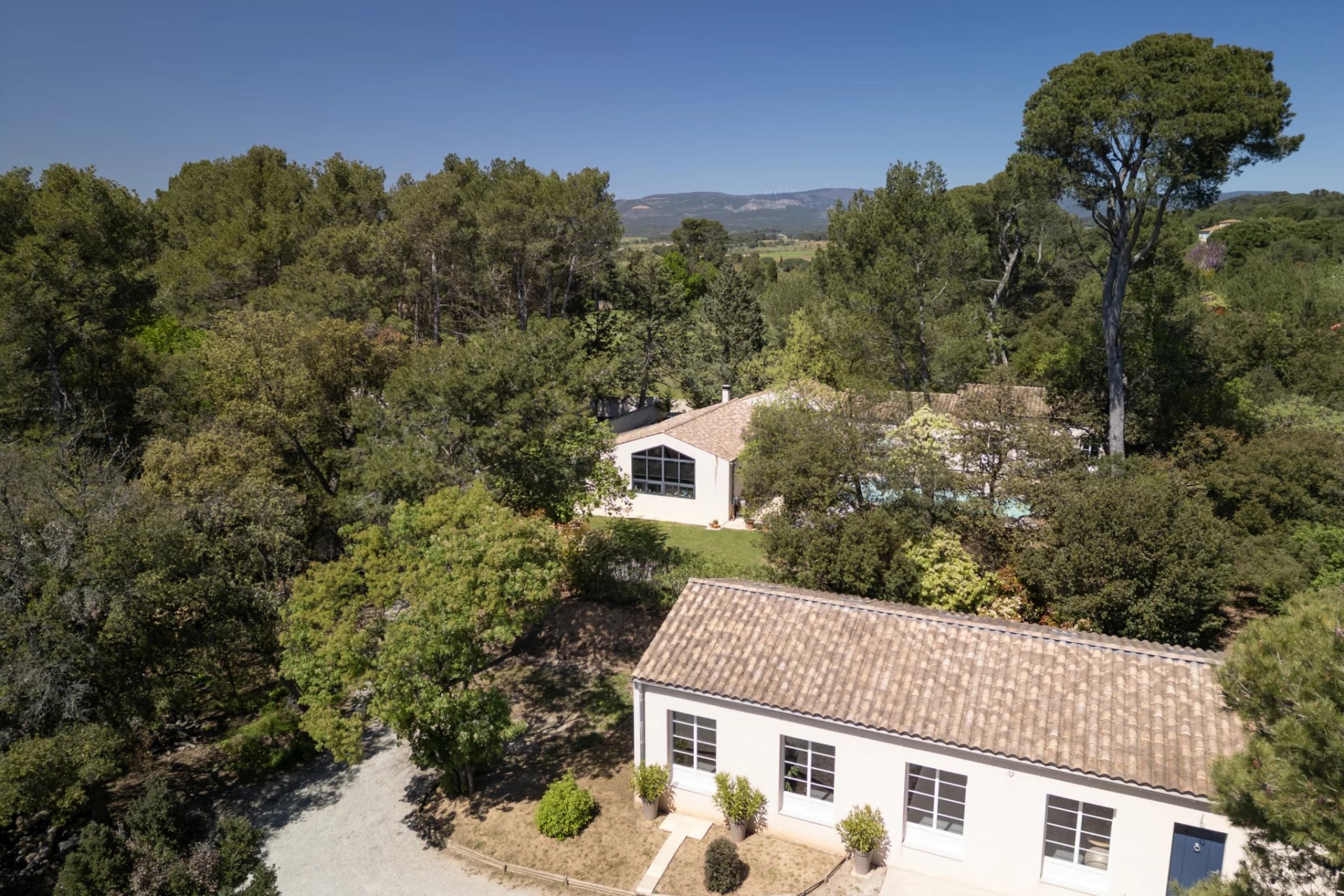
House for sale
€749,000

House for sale
€385,000
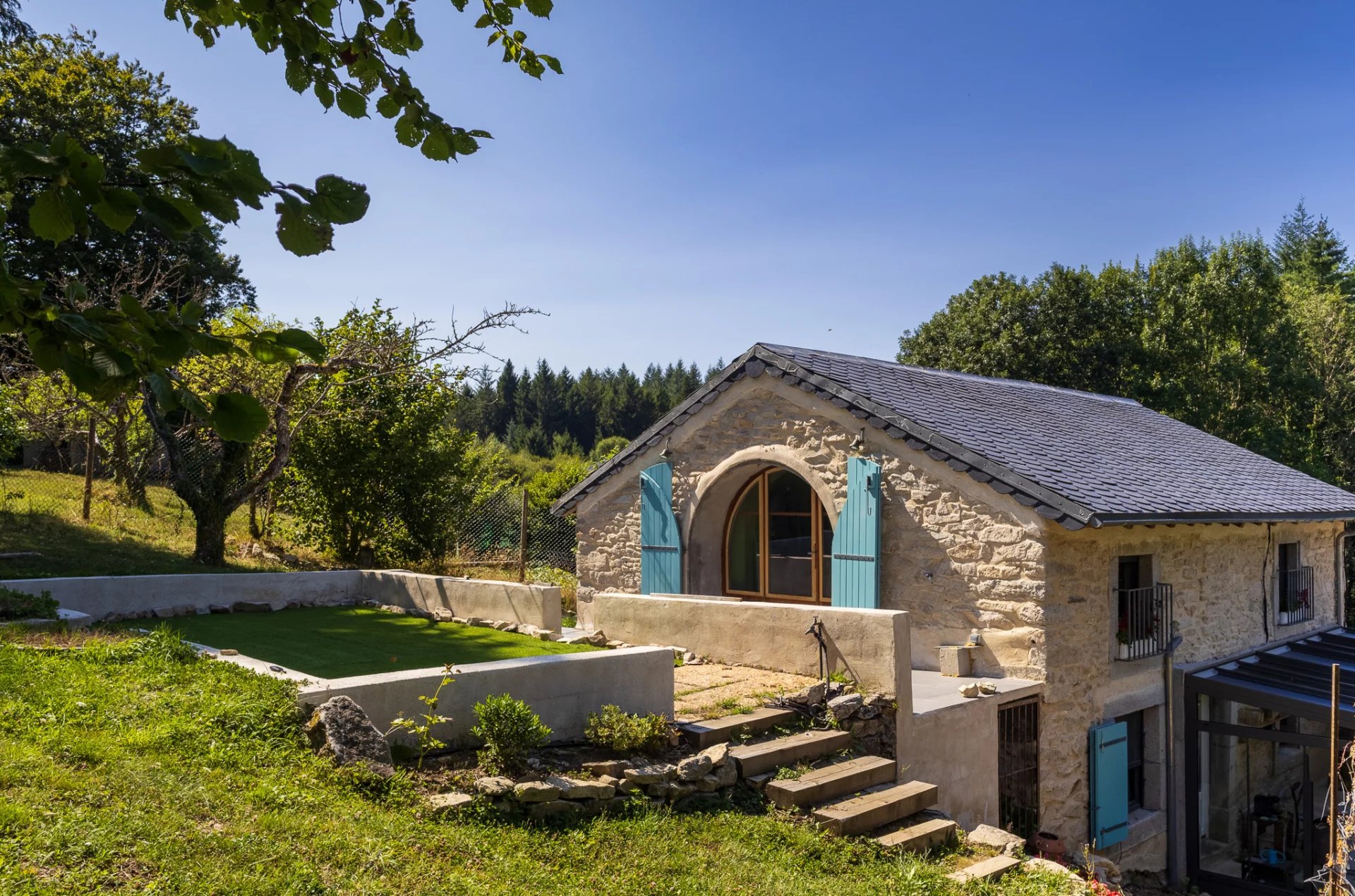
House for sale
€235,000

Village house for sale
€215,000

Village house for sale
€189,000

Villa for sale
€265,000

Farm for sale
€384,000
