
Why Choose Occitanie? The South of France That Gives You More

There is a moment in many French property searches when the question changes.
At first it is simply, "Where in France should we look?" Provence may come to mind, perhaps the Dordogne, Brittany or the Côte d'Azur, depending on the dream that has been quietly developing over the years. Then somebody discovers Occitanie and suddenly the question becomes rather different.
How can one region contain so much?
This is a part of France where you can spend the morning walking in the Pyrenees and find yourself having dinner in Toulouse, live among vineyards yet remain within reach of an international airport, follow the Canal du Midi towards the Mediterranean or disappear into countryside where the roads wind between villages, bastides and fields of sunflowers.
There are cities, mountains, beaches, ski resorts, vineyards, medieval towns, thermal spas, lakes, forests and vast areas of peaceful countryside. There are places that feel distinctly Mediterranean and others where the Pyrenees dominate the horizon, while further north the landscapes rise towards the dramatic plateaux and gorges of the Massif Central.
Perhaps the greatest attraction of Occitanie is not any one of these things. It is the fact that you do not necessarily have to choose between them.
Where Exactly Is Occitanie?
Occitanie stretches across a huge sweep of southern France, from the Mediterranean to the Pyrenees and from the Spanish border north towards the Massif Central. It incorporates 13 departments, including Aude, Ariège, Gers, Haute-Garonne, Hautes-Pyrénées, Hérault, Tarn and Tarn-et-Garonne, alongside several others.
Toulouse is the regional capital, while Montpellier provides another major urban centre close to the Mediterranean. Between and beyond them lie cities such as Carcassonne, Albi, Narbonne, Montauban, Nîmes, Perpignan and Tarbes, together with hundreds of smaller towns, villages and rural communities.
It is an enormous and varied region, which is one reason talking about "property in Occitanie" can mean so many different things.
A stone house in a mountain village in Ariège offers a very different lifestyle from a villa close to the Mediterranean, just as a farmhouse among the rolling hills of Gers bears little resemblance to a town house in Carcassonne or a village property near Toulouse.
That variety gives buyers something extremely valuable: choice.
A Region People Are Choosing
Occitanie's appeal is not simply something those of us who live and work here like to talk about.
People are moving here.
At the beginning of 2026, Occitanie's population was estimated at around 6.25 million, making it one of the most populous regions of metropolitan France. Over the previous decade its population grew at around twice the rate of metropolitan France as a whole, with INSEE attributing that growth to the region's attractiveness to people moving in.
That does not mean every corner of Occitanie is booming or that rural life is suddenly becoming urbanised. Far from it. Much of the region remains wonderfully spacious and peaceful.
What it does suggest is that the qualities people discover here are translating into a genuine desire to stay.
For anyone considering moving to Occitanie, that matters. Choosing somewhere to live is about far more than scenery. It is about whether a region has enough life, infrastructure and opportunity to support the future you imagine there.
The Pyrenees Are Part of Everyday Life

One of the great privileges of living in this part of France is the relationship with the Pyrenees.
In some areas they dominate the landscape, while elsewhere they appear unexpectedly on clear days, rising along the horizon like an elaborate stage set. In Gers, Haute-Garonne, Ariège and Hautes-Pyrénées, the mountains can become part of everyday life even when you are not living directly among them.
And they are not simply there to look beautiful.
Winter brings skiing and snow sports, with resorts ranging from smaller family-friendly stations to larger ski areas. The rest of the year opens the mountains to walking, cycling, climbing and countless days spent exploring valleys, villages and high mountain landscapes.
The Pic du Midi, rising to 2,877 metres, is one of the region's great landmarks, while the Grand Tourmalet is the largest ski area in the French Pyrenees. Yet part of the charm lies in discovering smaller places too, where a day in the mountains can involve a walk, a long lunch and a drive home through scenery that makes you wonder why you ever spent weekends in a shopping centre.
For families, active retirees and anyone who simply likes having nature within reach, the Pyrenees add another dimension to life in Occitanie.
And Then There Is the Mediterranean
Drive in the other direction and the landscape eventually opens towards the Mediterranean.
Occitanie's coastline stretches through an extraordinary variety of places, from long sandy beaches and lively seaside towns to lagoons, fishing ports and landscapes shaped by the Camargue. Around Montpellier and the Languedoc coast alone there are more than 100 kilometres of sandy coastline.
Sète retains the character of a working port alongside its beaches and restaurants, while further along the coast are places such as Gruissan, Narbonne-Plage, Leucate and Collioure, each with a very different personality.
For people moving from northern Europe in particular, there is something wonderfully indulgent about the idea that the Mediterranean can become somewhere you go for the day.
You do not necessarily have to live directly beside the sea to enjoy it either. For many buyers, being an hour or two inland offers the best of both worlds, allowing them to enjoy more rural surroundings and potentially a different property market while keeping the coast within reach.
Toulouse and Montpellier Change the Equation
Rural France can sometimes be imagined as a choice between beautiful countryside and access to the things a major city provides.
Occitanie complicates that assumption.
Toulouse and Montpellier give the region two dynamic urban centres, bringing universities, hospitals, employment, restaurants, museums, theatres, shopping, transport links and international connections into the wider lifestyle equation.
Toulouse, with its unmistakable pink brick architecture, sits on the Garonne and connects directly with the Canal du Midi. It is a city with an international outlook, particularly through its aerospace and technology sectors, but it remains remarkably connected to the countryside surrounding it.
Montpellier has a different energy, with the Mediterranean close by and a youthful population contributing to a lively cultural and restaurant scene.
For property buyers this matters because living in the south of France does not have to mean stepping away from city life altogether. Depending on where you choose to settle, it can mean having the space, community and slower pace of a village while keeping a major city accessible for work, healthcare, culture or simply an occasional day of shopping and lunch.
History Is Everywhere, but Life Hasn't Stopped Around It
Occitanie contains some of France's most extraordinary historic places, yet what makes them particularly special is the way history sits alongside ordinary modern life.
The Canal du Midi, constructed in the 17th century and now protected as a UNESCO World Heritage Site, runs for 241 kilometres between Toulouse and Sète. Today its towpaths are used by walkers and cyclists, its waters by boats and its banks by people stopping for lunch beneath the plane trees.
Carcassonne's famous fortified cité forms part of a landscape filled with Cathar history, abbeys, castles and medieval villages. Elsewhere there are Roman monuments, bastide towns, pilgrimage routes and ancient market squares where people still gather every week to buy vegetables and cheese.
This is one of the things that international buyers often find captivating about living in France. History does not have to be somewhere you visit on holiday. It becomes part of the scenery of ordinary life.
The road to the supermarket may pass a château. Saturday lunch may take place beneath medieval arcades. Your Sunday walk might follow a towpath created more than three centuries ago.
After a while, extraordinary surroundings have a habit of becoming wonderfully normal.
Wine Country Without the Fuss
It would be difficult to talk about life in Occitanie without talking about wine.
Vines shape huge areas of the landscape, particularly through Aude, Hérault, Tarn and parts of Haute-Garonne and Gers, but the pleasure of living in wine country is about much more than knowing vintages or understanding complicated tasting notes.
It is about watching the vineyards change colour through the seasons, discovering a small domaine almost by accident, buying directly from producers and gradually learning which local wines you prefer because you actually live among the places where they are made.
Occitanie's wine story is wonderfully diverse. There are well-known names and tiny appellations, Mediterranean wines and those shaped by Atlantic influences, sparkling Blanquette de Limoux and characterful regions such as Cabardès, Malepère, Gaillac and Madiran.
For many people this becomes another small pleasure of living here rather than a special occasion reserved for holidays.
Markets Still Matter

Perhaps nothing explains everyday life in Occitanie quite as well as its markets.
Mirepoix on a Monday, Revel on a Saturday and countless other towns and villages across the region still organise the week around market day. Stalls fill squares and streets with vegetables, fruit, cheese, meat, bread, flowers, clothes and whatever happens to be in season.
You go because you need something and stay because you meet somebody.
For newcomers, markets can become one of the easiest ways to feel connected to a place. You learn which stall has the tomatoes you like, which baker sells out first and which café is best for watching the world go by afterwards.
Eventually somebody behind a stall recognises you.
It sounds like a very small thing, but those are often the moments when somewhere new begins to feel like home.
Space to Live Differently
Property itself is another reason people look towards Occitanie.
The sheer variety of the region means the housing stock ranges from village houses and apartments to maisons de maître, farmhouses, villas, renovated barns, domaines and properties with substantial land.
Some buyers want the romantic renovation project they have dreamed about for years, while others have absolutely no desire to spend their retirement discussing roof tiles with a builder and would much rather have a beautifully finished villa and a swimming pool.
Both can be found here.
For international buyers, the important thing is not simply comparing prices per square metre. A property only makes sense in the context of the life around it.
A cheaper house that leaves you isolated from everything you enjoy may prove poor value, while a smaller house within walking distance of a thriving market town could transform everyday life.
This is where local knowledge becomes particularly important. Occitanie is simply too varied for one set of rules to apply everywhere.
Can You Live in Occitanie All Year Round?
For many people considering a permanent move, this is a much more useful question than asking what the region is like in July.
Occitanie is not one enormous holiday resort. Millions of people live, work, study and raise families here throughout the year, and its cities, market towns and larger villages continue functioning when the summer visitors have gone home.
Seasonality does vary considerably by location. A coastal resort may feel very different in January from Toulouse, Mirepoix or a busy market town inland, while an isolated mountain hamlet brings different practical considerations again.
Anyone thinking about moving permanently would be wise to experience a potential location outside the main holiday season. Visit in autumn or winter, see which restaurants remain open, discover how far everyday services really are and experience the journey to the airport or hospital rather than merely measuring it on a map.
A French property dream becomes much more satisfying when it works on an ordinary wet Wednesday in February as well as a glorious evening in August.
Why Do International Buyers Choose Occitanie?
There is no single answer, and perhaps that is Occitanie's greatest strength.
One person comes for the sunshine and another for the mountains. Somebody falls in love with a medieval village while somebody else wants a contemporary villa ten minutes from a busy town. Retirees may be looking for community, healthcare and an easier pace of life, while families might prioritise schools, outdoor space and access to cities.
British, Dutch, Belgian, German, Scandinavian, Australian and other international buyers may arrive with very different expectations, but the size and variety of Occitanie gives them room to find their own version of France.
It can be rural without being isolated, sunny without being exclusively Mediterranean, historic without feeling frozen in time and peaceful without placing everything interesting hours away.
There is no requirement to choose the version of southern France everybody else has already chosen.
Finding Your Part of Occitanie

The difficulty, if there is one, is deciding where to begin.
Occitanie is too large and too varied to search effectively by looking at attractive houses alone. Before deciding which property you want, it helps to understand which landscape and lifestyle fit you.
Do you want to see mountains from the garden or be able to reach the Mediterranean easily? Would you rather walk to a market or have several hectares around you? Do you need regular access to Toulouse? Would you like a lively international community or somewhere resolutely French? Are you searching for a permanent home, retirement property, holiday base or a house capable of welcoming generations of family and friends?
The answers begin narrowing the map long before they narrow the property listings.
This is where Occitanie Properties is rather different. Our agents live across the region and know these places as communities rather than search areas on a database. They know which villages remain lively in winter, where the market is worth getting up early for, which roads become busy in summer and where a ten-minute journey on a map feels very different in real life.
They are not simply selling property in Occitanie.
They are living here too.
Perhaps the Best Thing About Occitanie Is That You Don't Have to Choose
There are easier regions of France to describe.
Some are famous for their beaches, others for mountains, vineyards, cities or postcard villages. Occitanie stubbornly refuses to fit into one neat description because it contains all of them.
You can ski in the Pyrenees, swim in the Mediterranean, eat dinner in Toulouse, walk beside the Canal du Midi, explore a medieval market town, taste wine at the vineyard where it was made and still return home to a garden where the only evening noise is the sound of birds.
Not all on the same day, perhaps, although somebody will undoubtedly try.
Maybe that is why more people are discovering this corner of France and deciding that a holiday is not quite enough.
Occitanie offers sunshine and seasons, space and connection, history and contemporary life, countryside and cities. Most importantly, it gives people room to decide what living in France should actually look like for them.
The perfect version will be different for everybody. Finding yours is the exciting part.
Looking for a home in the South of France?
At Occitanie Propriétés, we don't just write about life here - we help you make it your own. Explore our selection of houses and character properties for sale across Occitanie, from traditional village homes to countryside estates. These are just a few of the beautiful homes currently available...

House for sale
€379,000

House for sale
€277,000

Bed and breakfast for sale
€675,000
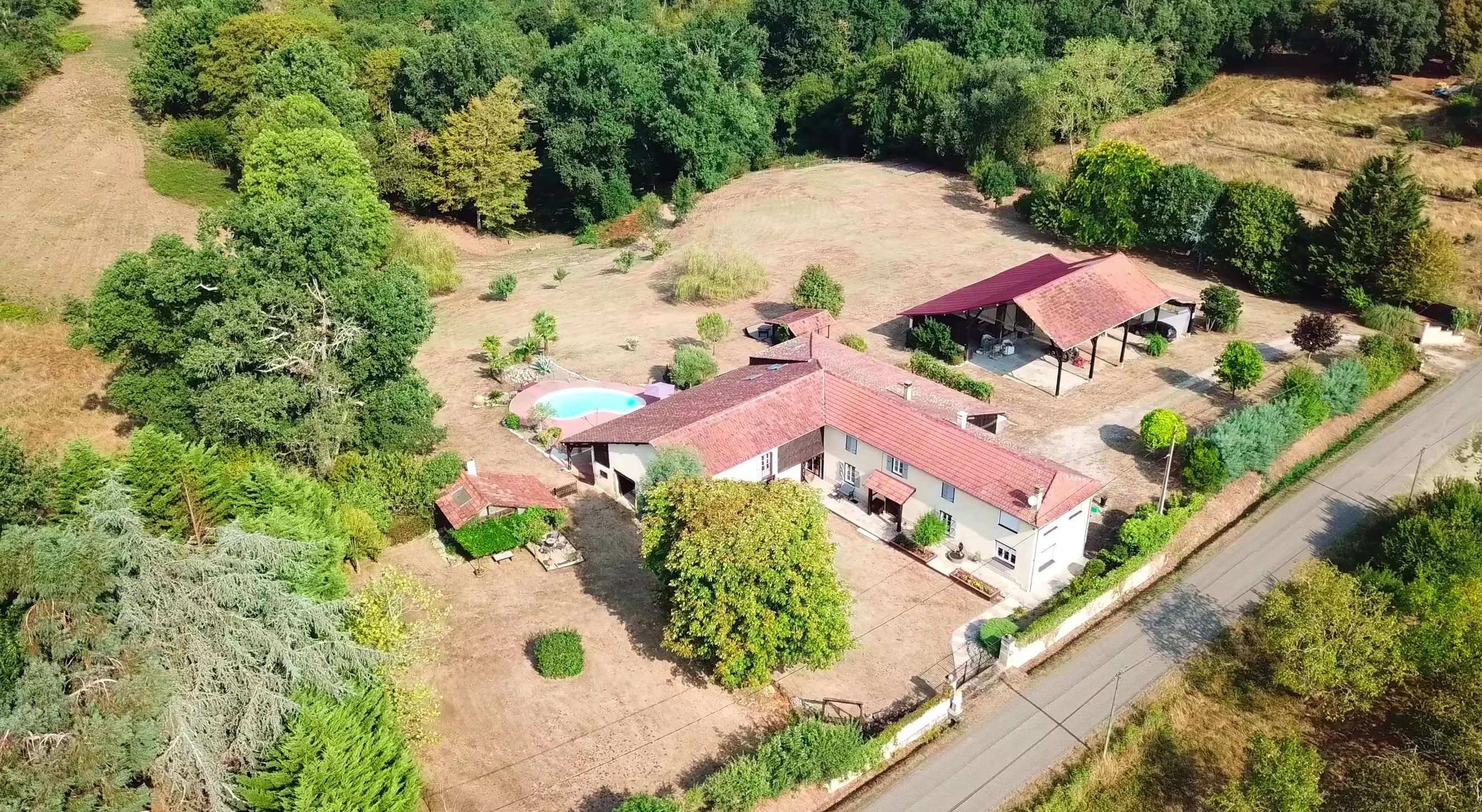
Farmhouse for sale
€525,000

House for sale
€949,500

Farm for sale
€580,000
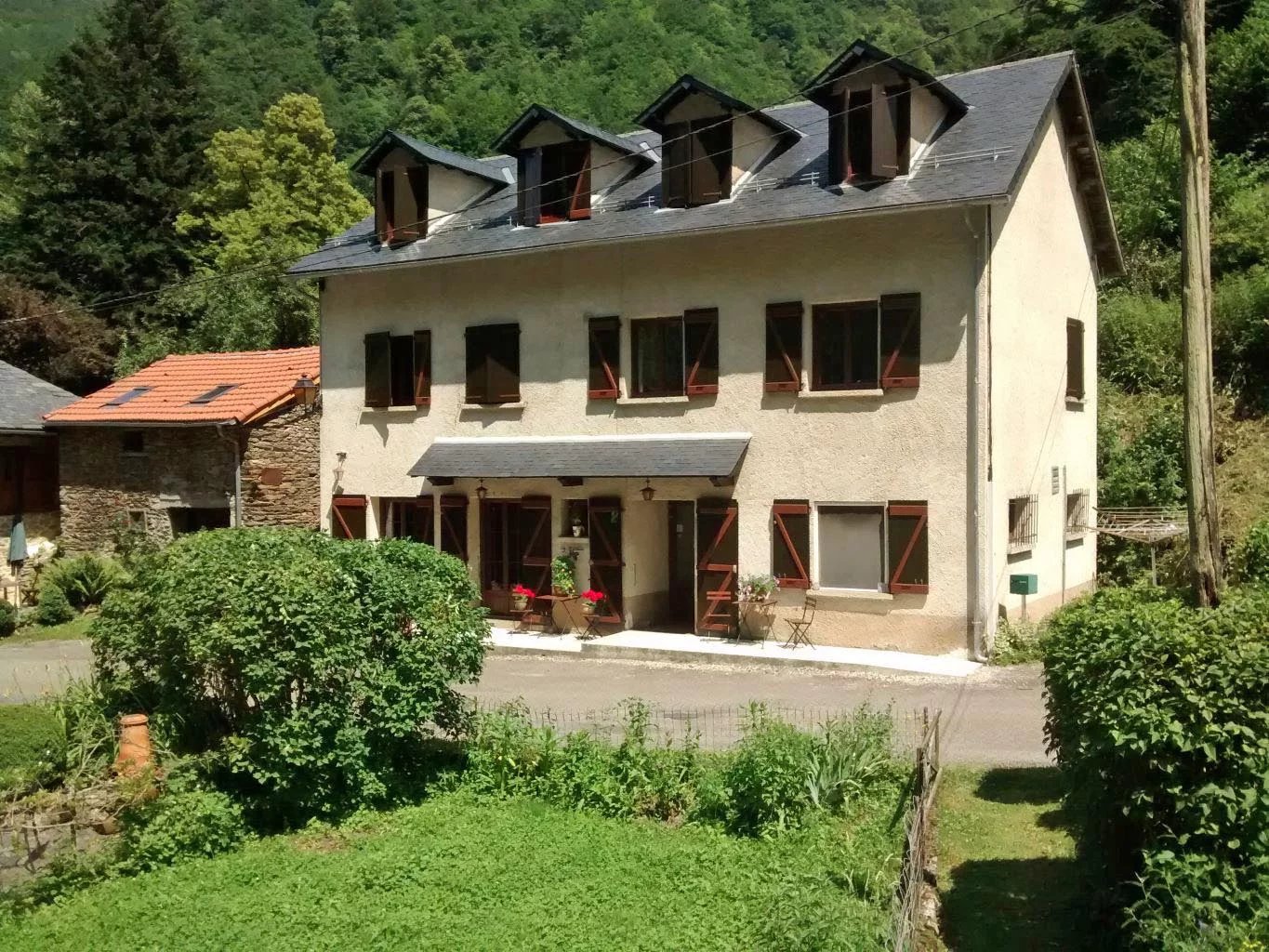
Property for sale
€469,000

House for sale
€850,000

House for sale
€299,900

House for sale
€785,000

Villa for sale
€560,000

Property for sale
€1,260,000
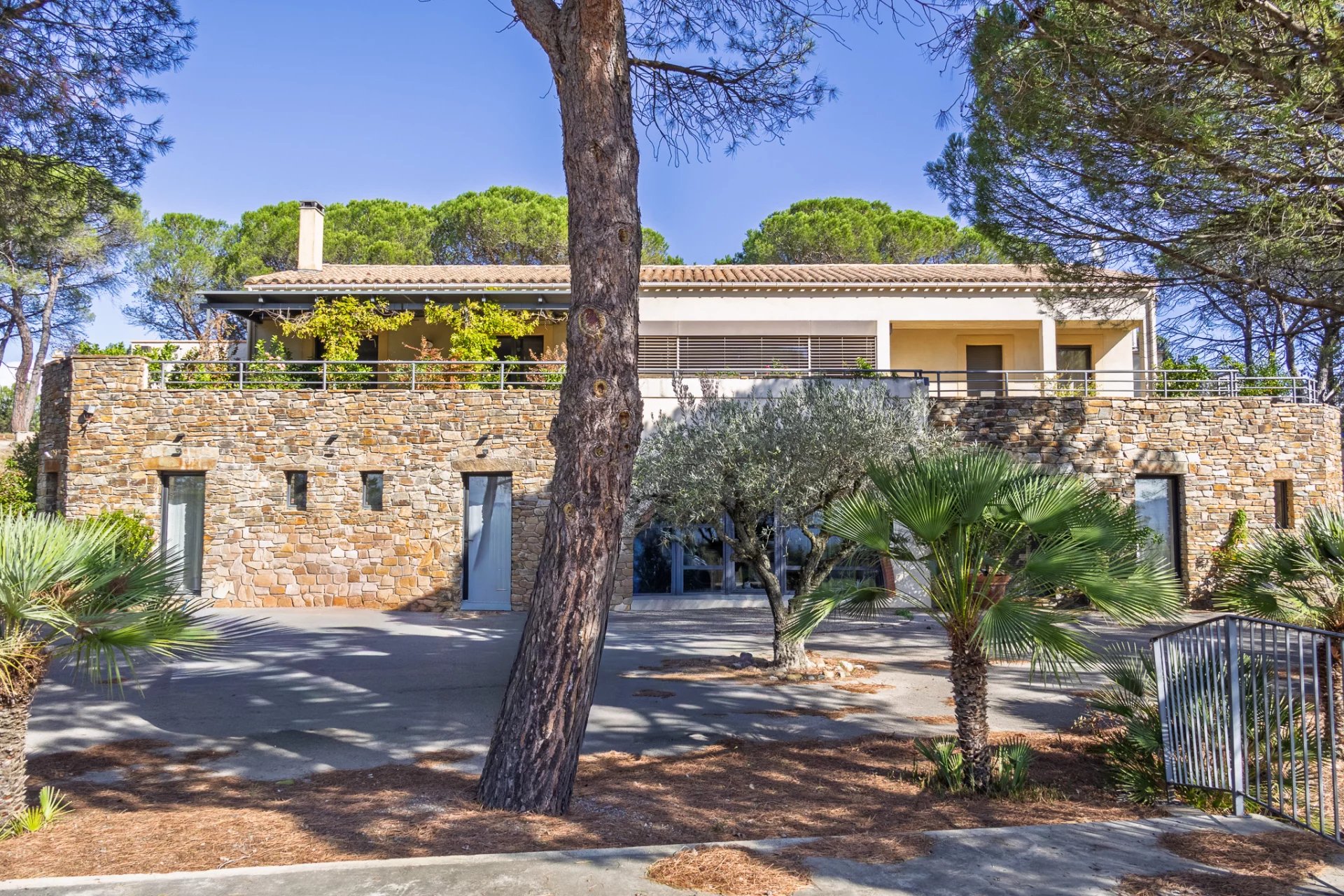
Property for sale
€1,144,000

Village house for sale
€350,000
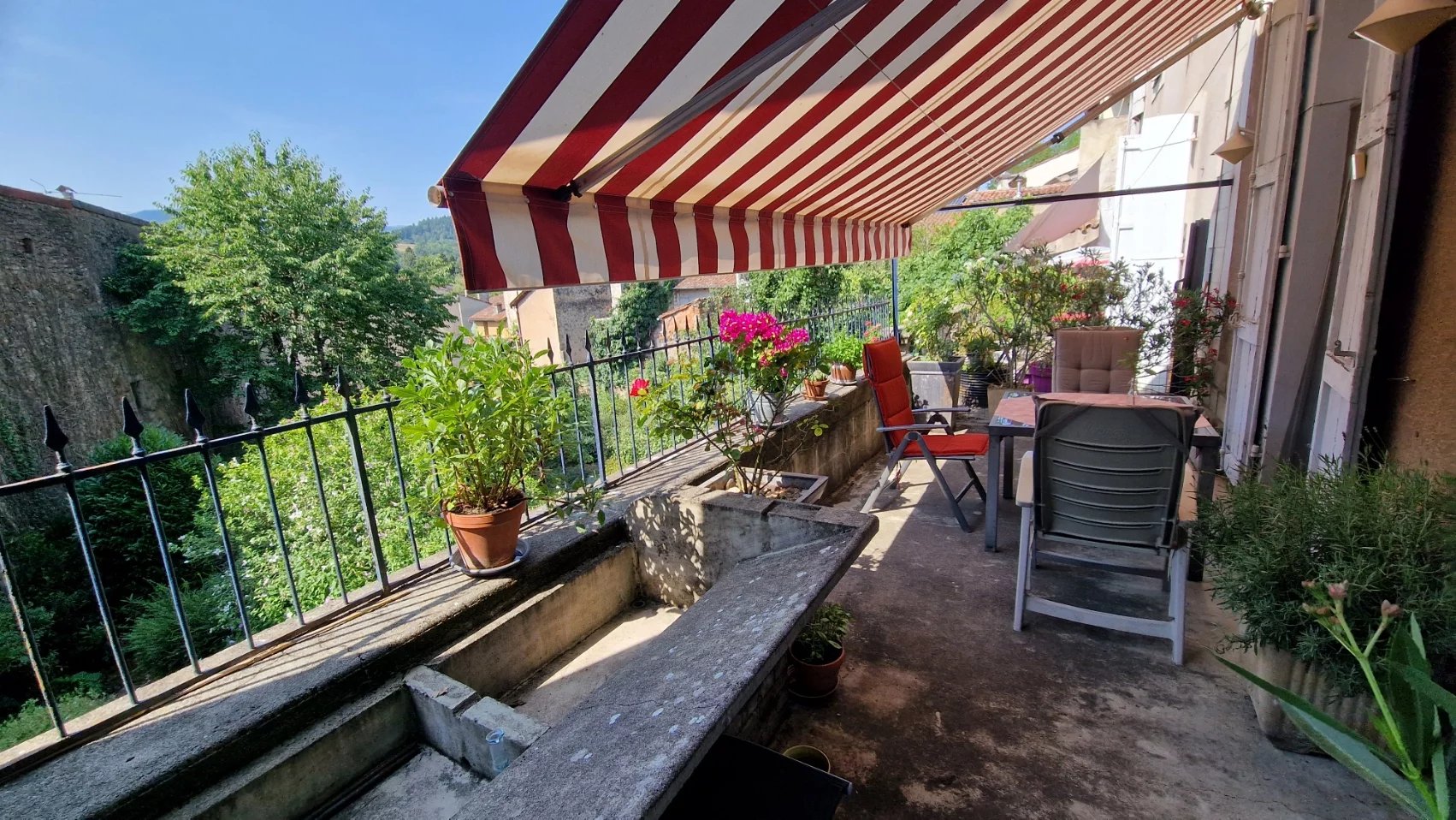
Village house for sale
€135,000

House for sale
€235,000

Property for sale
€1,100,000
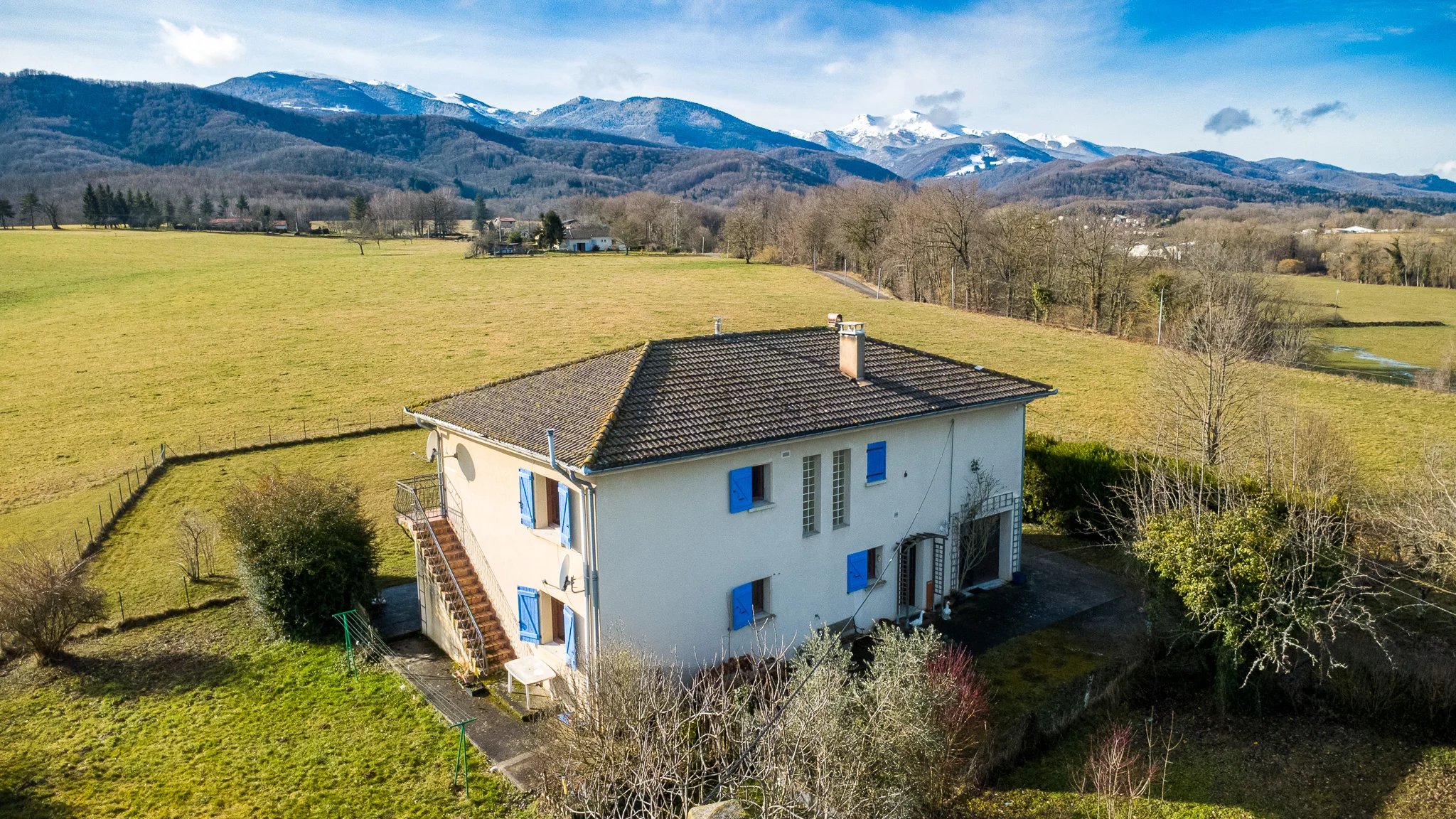
House for sale
€299,000

House for sale
€219,000

House for sale
€440,000
